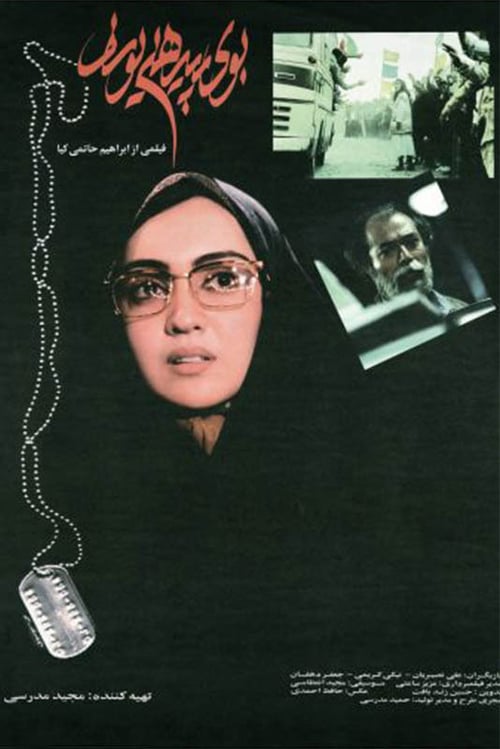
The Scent of Joseph's Shirt
1995
No user ratings available yet
Representation score: 4.5 out of 10
Representation Score
Good
1994
Director
Kianush Ayyari
Runtime
93 minutes
Average Rating
No ratings yetNew Showbiz Analysis
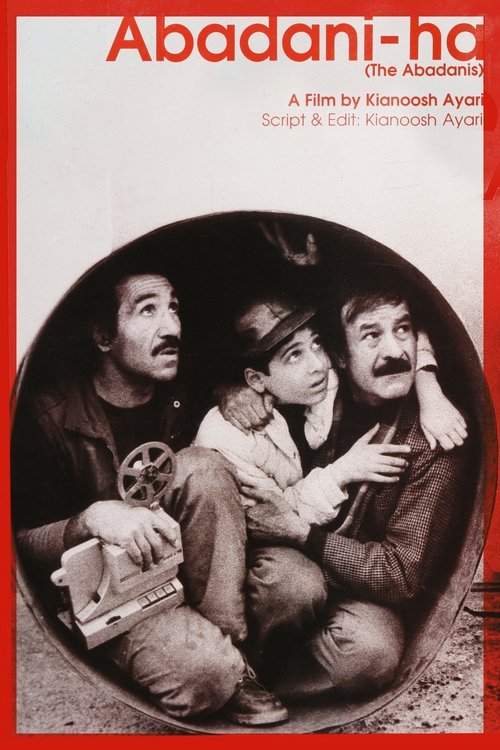
The Abadanis is a character-driven drama that finds its strength in centering the lived experiences of displaced populations. By focusing on the Abadani identity, the film provides a nuanced look at internal migration and the granular struggles of refugees within a metropolitan setting. However, the film adheres to conventional social structures. The narrative is driven by male protagonists and follows traditional patriarchal dynamics, offering limited representation of female authority or diverse sexual identities. Ultimately, the film succeeds as a social realist piece that uses personal loss to critique the fragility of social standing for those uprooted by conflict.
Category Breakdown
The film focuses on a traditional family unit consisting of a father and son. There are no LGBTQ+ characters or themes that challenge the assumption that everyone is straight or cisgender.
The story primarily revolves around male protagonists navigating urban struggles within a patriarchal structure. Female characters have limited roles and do not drive the narrative.
The film centers on the specific regional identity of Abadan residents within Tehran. This highlights the presence of a displaced subculture and challenges urban homogeneity.
The narrative explores the friction between displaced refugees and a stable urban environment. It critiques material vulnerability through the lens of systemic upheaval and war.
A subplot involving missing eyeglasses introduces sensory impairment as a narrative driver. This highlights how physical limitations affect a character's ability to navigate their surroundings.
Present on Screen
Limited or Absent
Official Synopsis
The car of a war refugee who is now living in Tehran is stolen. He with the help of his son begins a desperate search for finding his stolen car. Meanwhile he meets a man who can help him and his son Borna is too after his missing eyeglasses.
1995

2000
2009
2013
1990

2014
2021

2016
No reviews yet. Be the first to share your thoughts on this movie!
Use the rating form above to leave a star rating and optional review.