
Así es mi tierra
1937
No user ratings available yet
Diversity score: 4.7 out of 10
1987
Director
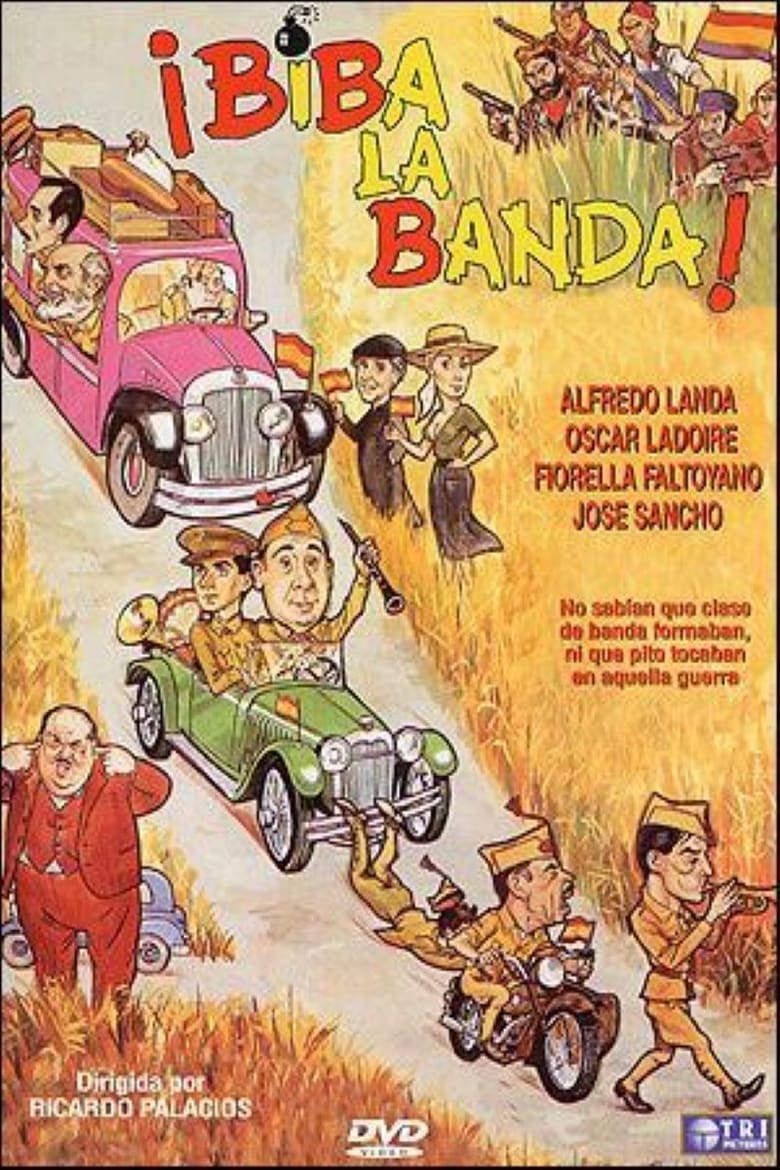
Ricardo Palacios
Runtime
95 minutes
Average Rating
No ratings yetSynopsis
In 1938, at the height of the civil war, the musicians of the military band were very worried about their next concert. Agustín receives a letter from his girlfriend, who tells him about the difficulties he is going through with the rice harvest. She then decides to ask permission to go and help her, but as Lieutenant Urquiza refuses, she escapes. Two companions sent to bring him back, finally, stay with him. Also Sergeant Perez and several musicians who go looking for him stay with them.
Overall Score
Fair
Category Breakdown
LGBTQ+ Representation
The film adheres to the heteronormative social constraints of the 1930s. It focuses on traditional romantic pairings, such as the correspondence between Agustín and his girlfriend.
Gender Representation
Military and institutional authority is held by male figures like Lieutenant Urquiza. However, female agency is shown when the protagonist's girlfriend defies military refusal to help her family.
Racial & Ethnic Diversity
The cast reflects the regional Chilean demographic of 1938. It functions as a localized cultural chronicle rather than a Western-centric export.
Religious & Cultural Diversity
The narrative critiques traditional institutions by highlighting the tension between military requirements and the economic struggles of citizens. It emphasizes individual survival over institutional dogma.
Disability Representation
There is no discernible evidence regarding the portrayal of physical or neurodivergent disabilities in the film.
Strengths
Areas for Improvement
AI Analysis
¡Biba la banda! serves as a historical social chronicle set during the 1938 Chilean civil war. It avoids the glorification of state-led order by focusing on the human cost of systemic conflict and the friction between military authority and individual necessity. The film's strength lies in its subtle subversion of patriarchal structures through female agency. While the setting is heavily male-dominated, the decision of a female character to prioritize familial duty over military obedience provides a meaningful disruption of the era's hierarchy. However, the film remains limited by its historical context, offering little in the way of LGBTQ+ representation or modern intersectional depth. It functions more as a study of regional social shifts than a diverse contemporary narrative.
1937
1974
1988
1978
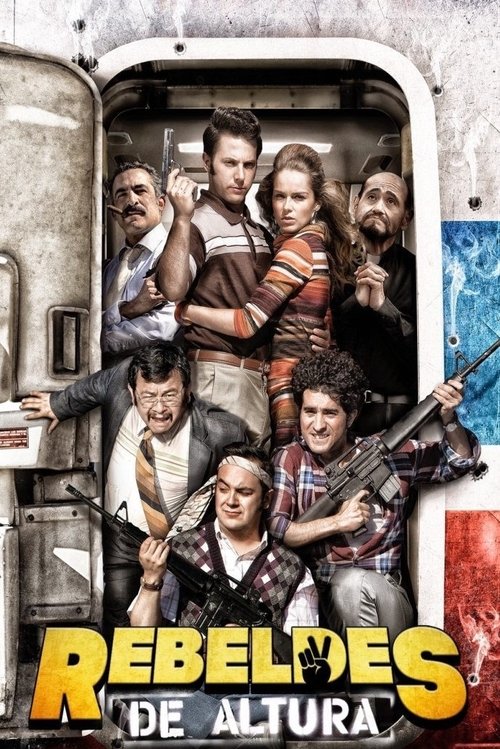
2017

1989

1989

1973
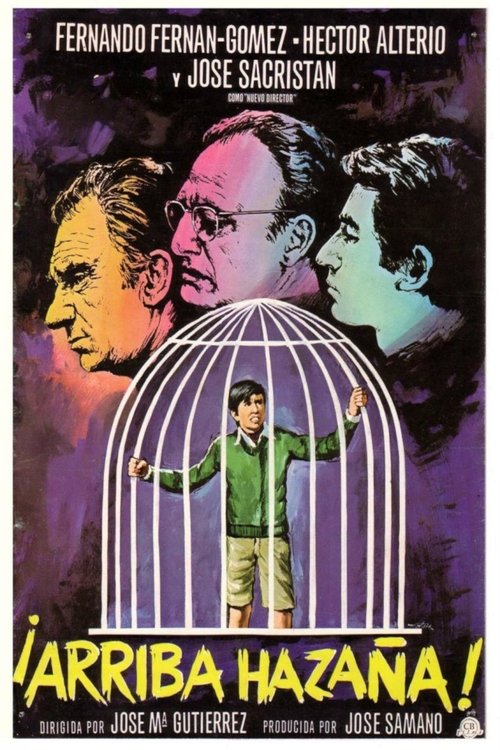
1978

1967
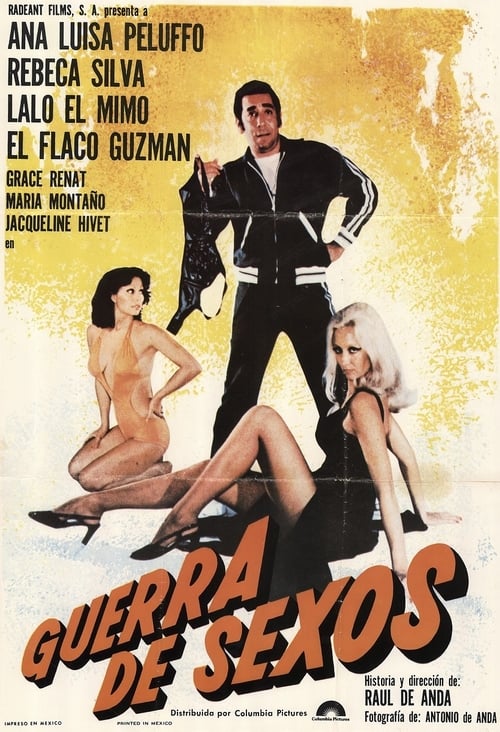
1978

1958
No reviews yet. Be the first to share your thoughts on this movie!
Use the rating form above to leave a star rating and optional review.