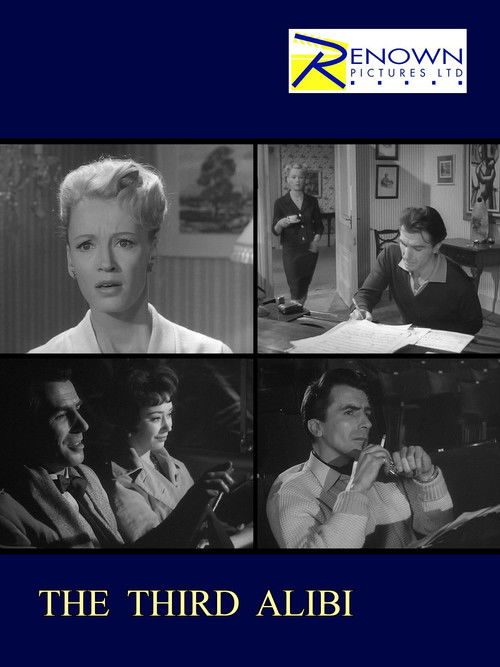
The Third Alibi
1961
No user ratings available yet
Representation score: 1.3 out of 10

Representation Score
Minimal
1969
MDirector
Gordon Hessler
Runtime
90 minutes
Average Rating
No ratings yetNew Showbiz Analysis
The film operates as a standard mid-century Western thriller, adhering strictly to the social clichés of its time. The narrative structure revolves around domestic melodrama, focusing on infidelity and the preservation of professional reputation. There is a notable absence of exploring multiple aspects of identity. The story upholds traditional hierarchies rather than challenging them, presenting a world defined by straight relationships and Anglo-Saxon demographic homogeneity. Ultimately, the film functions as a conventional genre piece that does not disrupt established social norms regarding gender, race, or identity.
Category Breakdown
The film does not include any LGBTQ+ characters or explore non-straight relationships. The story centers on traditional marital conflicts and infidelity.
Gender roles adhere to conventional hierarchies. Anne seeks independence through divorce but relies on a male lover to solve her domestic problems, while the male lead prioritizes his professional status.
The production reflects the demographic homogeneity typical of late-1960s British studio thrillers. There is no indication of a multi-ethnic cast or diverse perspectives.
The narrative examines Western social anxieties about marriage and reputation. It emphasizes maintaining conventional social standing without critiquing these institutions.
There is no evidence of characters with physical or neurodivergent disabilities.
Present on Screen
Limited or Absent
Official Synopsis
Charles Nordeck is a successful marriage counselor whose own marriage is on the rocks. When his wife Anne seeks a divorce, Charles refuses to sign the papers fearing the bad publicity could ruin his career. The adulterous Anne then convinces her lover Peter to take care of the problem.
1961
1969
1945
1986

1974

2010
1965

1958
No reviews yet. Be the first to share your thoughts on this movie!
Use the rating form above to leave a star rating and optional review.