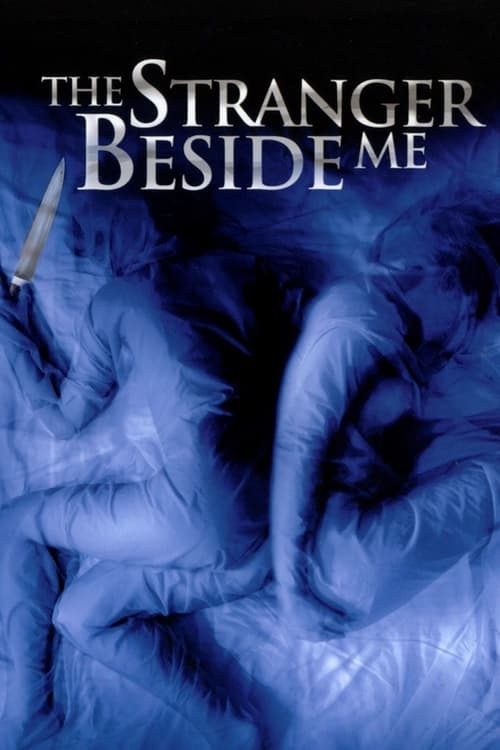
The Stranger Beside Me
1995
No user ratings available yet
Representation score: 3.0 out of 10
Representation Score
Minimal
1995
RDirector
Larry Brand
Runtime
90 minutes
Average Rating
No ratings yetNew Showbiz Analysis
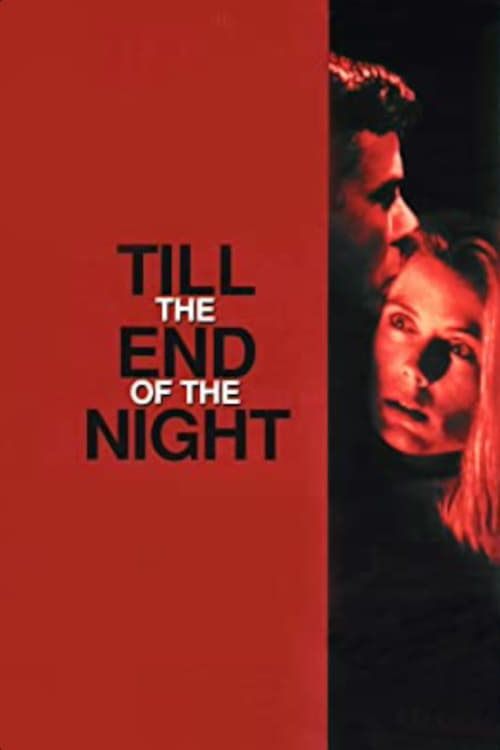
Till the End of the Night is a conventional 1990s domestic thriller that prioritizes traditional social structures over diverse representation. The narrative focuses on the disruption of a nuclear family by an external threat, reinforcing standard genre clichés. The film lacks representation for LGBTQ+ individuals and characters with disabilities. Its framework is built around a traditional family household, offering little room for diverse identities or systemic challenges. Ultimately, the film functions as a period-typical genre piece. It emphasizes the preservation of the home and traditional family units rather than deconstructing social hierarchies or presenting multicultural dynamics.
Category Breakdown
The film focuses on a typical family structure with a husband, wife, and children. There are no characters with non-cisgender identities or critiques of straight relationships.
The story relies on traditional gender roles, such as the 'perfect wife' and the 'violent ex-husband.' Although the female lead keeps a secret, the plot revolves around conventional gender roles.
The narrative does not indicate a diverse cast. It defaults to the non-specified, homogeneous demographics common in mid-1990s domestic thrillers.
The plot emphasizes the sanctity of the nuclear family and Western ideals of domestic stability. Conflict arises from threats to this institution rather than a critique of it.
There is no mention of characters navigating physical, neurodivergent, or mental health disabilities. No such identities are integrated into the character roles.
Present on Screen
Limited or Absent
Official Synopsis
John Davenport thought he had everything: a beautiful house, two adorable children and Diana, the perfect wife. But Diana hides a dark secret. Now the past is back to haunt them in the form of her violent ex-husband.
1995

2002

1998

1992
1993

2000
2002

1993
No reviews yet. Be the first to share your thoughts on this movie!
Use the rating form above to leave a star rating and optional review.