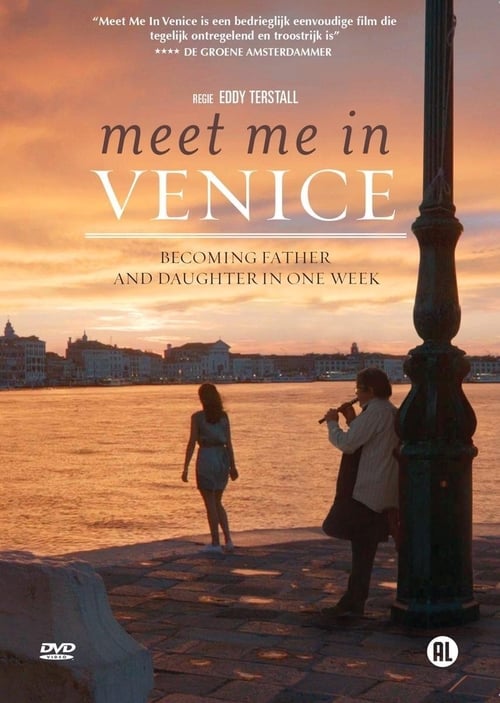
Meet Me in Venice
2015
No user ratings available yet
Diversity score: 5.1 out of 10

1997
Director
Jean-Charles Fitoussi
Runtime
59 minutes
Average Rating
No ratings yetSynopsis
A child is confronted with the (ever young) old age of the world, its hazards, its cinema and music, shot in seven days in Rome, Fiumicino, Ciampino and Cineccità. What will happen on July 12, 1995, in Rome ? What will become of July 12, 1995, in Rome ?
Overall Score
Fair
Category Breakdown
LGBTQ+ Representation
The film offers no evidence of LGBTQ+ characters or non-cisnormative identities. There is no verifiable queer-coded subtext or explicit representation within the narrative.
Gender Representation
The cast features a balance of male and female actors. However, the story focuses on existential themes and aging rather than subverting gendered power dynamics.
Racial & Ethnic Diversity
Set in Rome, the film likely reflects Mediterranean demographics. While the setting is cosmopolitan, there is no specific evidence regarding racial intersectionality or a non-white majority cast.
Religious & Cultural Diversity
The narrative prioritizes a philosophical, observational approach through a child's eyes. It explores subjective reality and music rather than explicit anti-Western or anti-capitalist sentiments.
Disability Representation
There is no information available regarding the portrayal of physical or neurodivergent disabilities in this work.
Strengths
Areas for Improvement
AI Analysis
By Then functions as a traditional European drama that prioritizes temporal and existential inquiry over social commentary. The narrative architecture focuses on a child's perception of time and memory within the urban landscape of Rome. The film maintains a neutral stance toward identity politics. It lacks the documented evidence of intentional, identity-driven storytelling or the active deconstruction of systemic hierarchies required for a higher progressive rating. Ultimately, the work appears to be an observational study of human existence. It leans into arthouse sensibilities rather than explicit social or political subversion.
2015

2023

2015
2023
2012
1969

1999

1964
2026

1991

2016
2020
No reviews yet. Be the first to share your thoughts on this movie!
Use the rating form above to leave a star rating and optional review.