Glue
2016
No user ratings available yet
Representation score: 6.1 out of 10
Representation Score
Fair
2015
Director
Donato Rotunno
Runtime
90 minutes
Average Rating
No ratings yetNew Showbiz Analysis
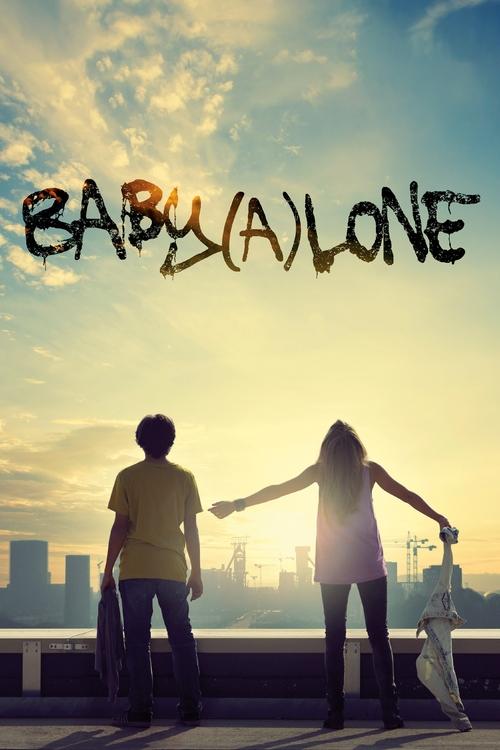
Baby(a)lone serves as a character study of adolescent alienation set in Luxembourg. The film delves into themes of social tension and the bond between underrepresented individuals, providing a foundation for exploring unconventional social dynamics. While the setting offers inherent multicultural potential, the narrative does not provide specific examples of diverse casting or explicit queer identities. The focus remains on the emotional connection between two protagonists rather than defined identity politics. Ultimately, the film occupies a middle ground, prioritizing the disruption of conventional adolescent archetypes over highly structured or diverse representation.
Category Breakdown
The film explores the growing closeness between two troubled teens. However, it remains unclear if their bond is romantic, platonic, or involves queer relationships.
The narrative centers on adolescent rebellion and volatility. While this age group often challenges traditional gender roles, the film does not explicitly address gender hierarchies.
Set in the multicultural city of Luxembourg, the environment supports diversity. However, there is no specific information about the racial makeup of the cast.
The story revolves around social outsiders rebelling against societal norms. This framework critiques established social structures and institutions.
There is no information about the portrayal of physical disabilities or neurodivergence in this production.
Present on Screen
Limited or Absent
Official Synopsis
Two troubled teens in Luxembourg act out their frustrations on the world, and slowly grow closer.
2016
2022
2015
2016
2015
2016
2010
2019
No reviews yet. Be the first to share your thoughts on this movie!
Use the rating form above to leave a star rating and optional review.