
Gym Class
2023
No user ratings available yet
Diversity score: 5.0 out of 10
2026
Director
Umberto Riccioni Carteni
Runtime
95 minutes
Average Rating
No ratings yetSynopsis
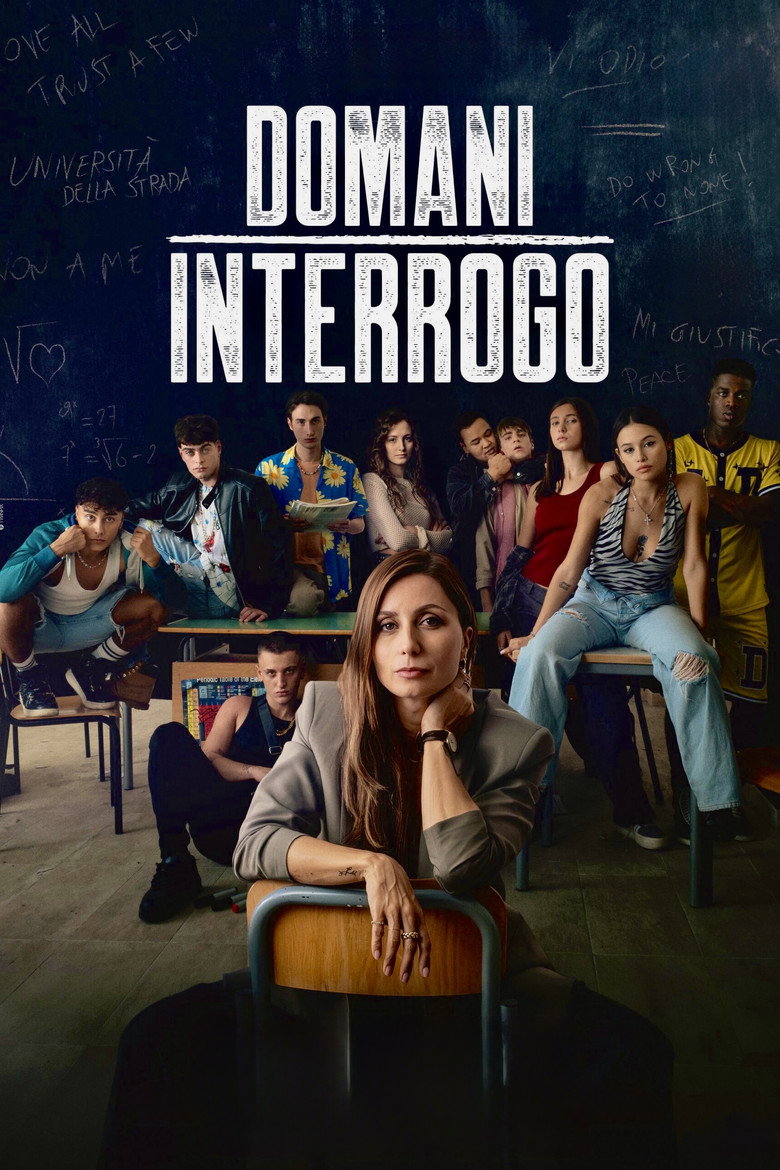
An English teacher at technical school in the outskirts of Rome knows that her twenty-four eighteen-year-old students do not consider her a human being, speak ill of her, are ready to contest her and feel a morbid curiosity towards her private life. Still, she tries to relate to them and the result of this effort is "a great love story". Cenciarelli describes the lessons (strictly in English, despite the students' protestations), the fights in and out of class, the students' tricks, their need to confront each other, their desire to show themselves superior, their weaknesses and their loneliness. As the seasons go by, the relationship between teacher and students becomes more complicated and deepens, alternating moments of great enthusiasm and great disappointment, until the baccalaureate exam, about which she cares more than they do.
Overall Score
Fair
Category Breakdown
LGBTQ+ Representation
The film maintains a neutral stance regarding non-cisnormative identities. There is no explicit evidence of LGBTQ+ narratives or specific tropes present in the current character descriptions.
Gender Representation
The cast features a balanced distribution of male and female actors. It remains unclear if the story subverts traditional gender hierarchies or follows conventional roles.
Racial & Ethnic Diversity
Casting includes performers like Yothin Clavenzani and Morgan Sebastian Wahr, suggesting ethnic plurality. This indicates a departure from more homogeneous regional casting patterns.
Religious & Cultural Diversity
Set in a school on Rome's outskirts, the film offers a backdrop for socioeconomic exploration. However, specific ideological or cultural stances are not yet established.
Disability Representation
There is no documented information regarding the portrayal of physical or neurodivergent identities in the cast or synopsis.
Strengths
Areas for Improvement
AI Analysis
Domani interrogo appears to be a standard drama that utilizes inclusive casting without necessarily committing to a specific social agenda. The production shows a moderate effort toward ethnic plurality through its cast selection, moving away from strictly homogeneous regional archetypes. While the gender balance among top-billed actors is even, the narrative's ability to challenge social hierarchies remains unproven. The film occupies a middle ground, providing a diverse visual palette without confirmed thematic depth regarding systemic critique. Ultimately, the work functions as a baseline dramatic piece. It avoids obvious exclusionary tropes but lacks the specific character details needed to confirm a dedicated focus on marginalized identities.
2023

2023

2020

2023

1997

2017

2025

1993

2010
2010

2020

2009
No reviews yet. Be the first to share your thoughts on this movie!
Use the rating form above to leave a star rating and optional review.