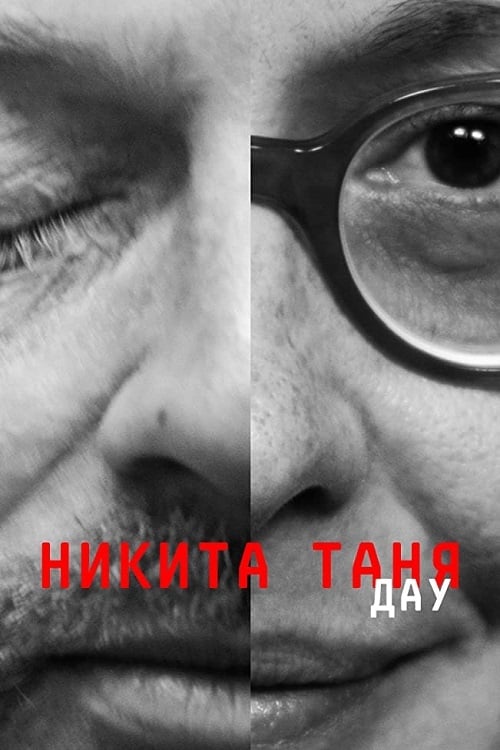
DAU. Nikita Tanya
2020
No user ratings available yet
Representation score: 6.7 out of 10

Representation Score
Fair
2020
Director
Ilya Khrzhanovsky, Alexey Slyusarchuk
Runtime
169 minutes
Average Rating
No ratings yetNew Showbiz Analysis
DAU. String Theory is a postmodern experiment that prioritizes intellectual and structural deconstruction over demographic variety. It functions as a critique of social engineering and institutional stability rather than a showcase for diverse identities. The film's strength lies in its cultural and philosophical depth, using a simulated environment to interrogate morality. However, it lacks representation across most traditional identity categories, remaining tethered to a specific historical and ethnic context. Ultimately, the work trades conventional inclusivity for a radical exploration of how systemic environments shape human behavior and social norms.
Category Breakdown
The film centers on the protagonist's polyamorous relationships with multiple women. There is no depiction of LGBTQ+ identities or non-traditional gender expressions.
The story challenges monogamous norms through a male protagonist's rejection of traditional social contracts. Female characters, however, operate within rigid hierarchies that mirror established power dynamics.
Casting reflects a hyper-realistic Soviet-era environment, resulting in a predominantly Eastern European cast. The film emphasizes period-specific realism over diverse casting.
The film uses an atheist Soviet framework to critique social control. It challenges absolute morality through a narrative rooted in moral relativism and systemic deconstruction.
There is no specific evidence regarding the portrayal of visible or invisible disabilities in the film.
Present on Screen
Limited or Absent
Official Synopsis
Nikita Nekrasov is a scientist, a theoretical physicist who studies our world and other possible worlds. He refuses to make a choice between mathematics and physics, between one woman and another, as he ponders the existence of the multi-universe. At scientific conferences, attended by eminent foreign scientists and a rising younger generation of physicists alike, Nekrasov gets carried away debating the beauty of string theory. He attempts to explain to all of his women – Katya, the librarian, Zoya, the scientific secretary, Svetalana, the head of department – about the theory of his own polygamy, and the possibility of having enough feelings to satisfy everyone.
2020

2019

2020
1989

2022

2001

2006
2022
No reviews yet. Be the first to share your thoughts on this movie!
Use the rating form above to leave a star rating and optional review.