
Fever
1971
No user ratings available yet
Representation score: 2.6 out of 10
Representation Score
Fair
1971
Director
Sergio Véjar
Runtime
96 minutes
Average Rating
No ratings yetNew Showbiz Analysis
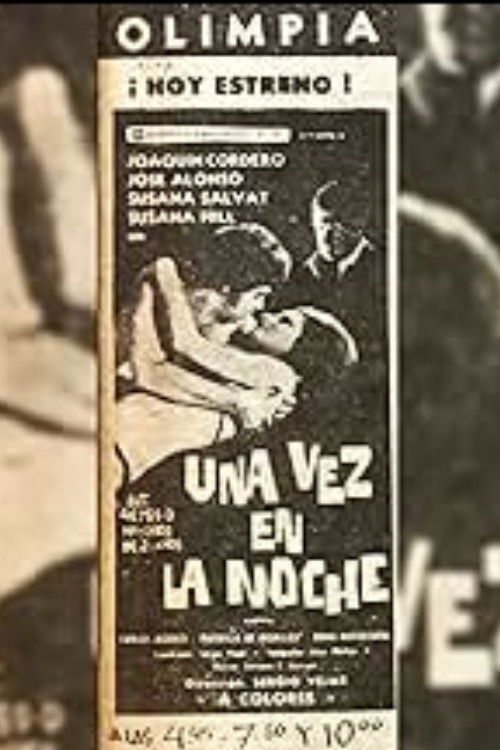
Once at Night serves as a critique of mid-century domestic dramas. Its strength lies in challenging the sanctity of the patriarchal family unit through themes of betrayal and moral ambiguity. However, the film remains constrained by the era's demographic norms, offering little in the way of queer representation or multi-ethnic casting. The narrative primarily examines the evolution of social norms within a traditional framework. Ultimately, the film's impact stems from its subversion of gendered authority and its exploration of the breakdown of conventional romantic and familial structures.
Category Breakdown
The film does not include any explicit LGBTQ+ characters or non-straight identities. It centers around a fractured family involving a husband, wife, and stepson.
Norma challenges the submissive wife stereotype by having an affair with her stepson. The father undermines patriarchal authority through his silent acceptance rather than taking decisive action.
The production probably features a culturally homogeneous cast typical of 1971 Mexican cinema. There is no specific indication of multi-ethnic or diverse casting elements.
The story questions traditional family stability by showing marriage and hierarchy as sources of betrayal. It emphasizes moral relativism and situational ethics over strict moral codes.
There is no information about the portrayal of physical or neurodivergent disabilities in the narrative.
Present on Screen
Limited or Absent
Official Synopsis
Landowner Raúl marries Norma, twenty-five years younger. His son Armando graduates and becomes his stepmother's lover. His father discovers them but remains silent.
1971

1971
1973
1981

2011
1966
1968

1971
No reviews yet. Be the first to share your thoughts on this movie!
Use the rating form above to leave a star rating and optional review.