Put Up or Shut Up
1959
No user ratings available yet
Representation score: 1.3 out of 10
Representation Score
Limited
1971
NC-17Director
Armando Bó
Runtime
85 minutes
Average Rating
No ratings yetNew Showbiz Analysis
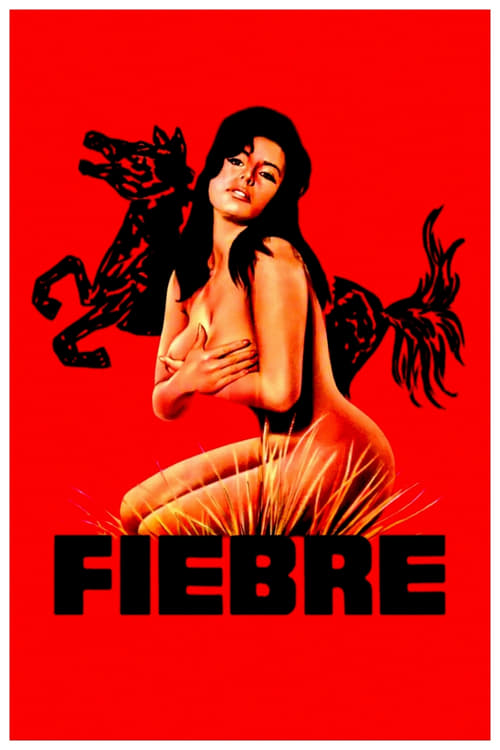
Fever is a genre-driven melodrama that prioritizes primal desire and psychological instability over social deconstruction. While it offers some subversion of traditional gender roles, it lacks depth in addressing multiple aspects of identity. The film's strength lies in its focus on the female lead's pursuit of emotional autonomy and fulfillment. It moves away from portraying women as passive recipients of domestic stability. However, the work remains limited by its reliance on erotic melodrama clichés and a lack of systemic critique. It focuses on individual obsession rather than broader identity-based or social complexities.
Category Breakdown
The film does not include any LGBTQ+ characters or narratives. The main storyline revolves around a heterosexual relationship and the breakdown of a traditional marriage.
The female lead plays a significant role in driving the story as she seeks fulfillment outside a loveless marriage. However, her autonomy is often tied to the clichés of erotic melodrama.
The tropical setting hints at a non-Anglo-Saxon landscape, but the film lacks explicit evidence of diverse casting. It does not actively work to disrupt traditional casting norms.
The film emphasizes individual passion over religious or moralistic views of marriage. It functions as a character study of obsession rather than a critique of systemic institutions.
There is no evidence of characters with physical or neurodivergent disabilities. The focus remains entirely on the psychological states of the central romantic figures.
Present on Screen
Limited or Absent
Official Synopsis
Sandra, lovelessly married to a landowner who owns racehorses, meets José María, a lumberjack, and they quickly fall in love. After some time, Sandra's husband learns of the relationship.
1959

1969
1971
1971
1981
1968

1962
1980
No reviews yet. Be the first to share your thoughts on this movie!
Use the rating form above to leave a star rating and optional review.