
Chinatown at Midnight
1949
No user ratings available yet
Representation score: 2.7 out of 10
Representation Score
Minimal
1936
ApprovedDirector
Norman Foster
Runtime
64 minutes
Average Rating
No ratings yetNew Showbiz Analysis
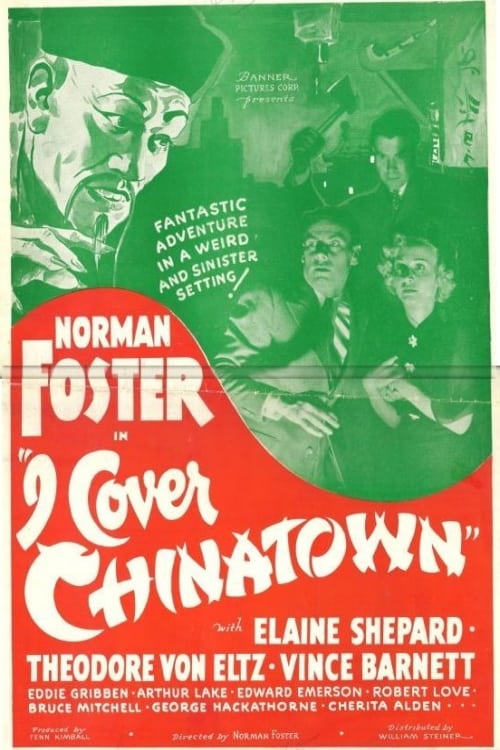
I Cover Chinatown is a conventional 1930s crime drama that prioritizes genre clichés over social complexity. The narrative follows a standard mystery-romance trajectory centered on a tour guide caught in a criminal underworld. The film reflects the era's systemic constraints, focusing on traditional hierarchies. While the setting implies ethnic diversity, the storytelling likely maintains a Western-centric perspective common to the period. Ultimately, the work functions as a standard studio production, offering little in the way of multi-layered representation or systemic critique.
Category Breakdown
The film adheres to the strict censorship rules of the Hays Code era. It reinforces traditional heterosexual norms without any indication of queer subtext or non-cisgender character arcs.
Female characters likely serve as romantic foils or damsels in distress within the mystery. Although the female lead is a primary character, the narrative centers on the male protagonist's journey.
The Chinatown setting suggests an ethnic enclave, but likely serves as a stylized backdrop for Western protagonists. There is no evidence of actively leading characters of color or subverted stereotypes.
The story follows traditional Western storytelling conventions and moral binaries. It reinforces established social orders rather than deconstructing Western institutions or exploring secular themes.
There is no evidence of characters with physical or neurodivergent disabilities. Portrayals of disability were rarely present in this era unless used for caricature.
Present on Screen
Limited or Absent
Official Synopsis
A tour guide in Chinatown and his girlfriend get mixed up with jewel thieves and murder.
1949

1937

1937
1945

1946
1959
1951

1949
No reviews yet. Be the first to share your thoughts on this movie!
Use the rating form above to leave a star rating and optional review.