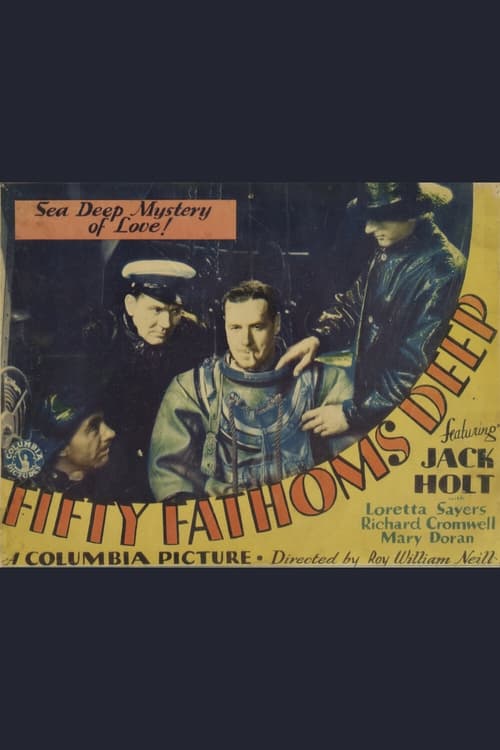
Fifty Fathoms Deep
1931
No user ratings available yet
Representation score: 0.4 out of 10
Representation Score
Minimal
1928
PassedDirector
Frank Capra
Runtime
91 minutes
Average Rating
No ratings yetNew Showbiz Analysis
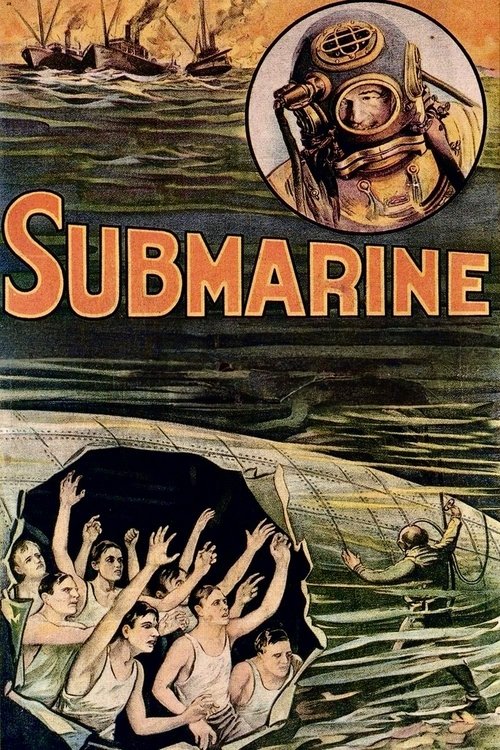
Submarine is a product of its era, utilizing traditional narrative structures that prioritize conventional gender hierarchies and homogeneous casting. The film focuses on character-driven conflict and physical comedy rather than systemic social critique. The central tension is driven by male competition and physical ability to act. The female lead functions as an object of desire, reinforcing the period's standard cinematic norms rather than challenging them. Overall, the film lacks the intention to disrupt social norms or provide representation that reflects multiple aspects of identity, reflecting the limited diversity of 1920s American silent shorts.
Category Breakdown
The film adheres to the conventions that assume everyone is straight or cisgender. The plot centers on a traditional romantic rivalry between two men for a single woman's affection.
The narrative follows a conventional gender hierarchy. The female character primarily serves as a catalyst for male rivalry rather than having her own independent role.
The film likely reflects the homogeneous casting practices of the era. There is no evidence of non-white protagonists or diverse ensemble casting.
The story operates within a standard maritime adventure framework. It lacks themes that critique institutional power or systemic oppression.
There is no information available regarding the portrayal of physical or neurodivergent disabilities in this work.
Present on Screen
Limited or Absent
Official Synopsis
Two sailors who are always competing against each other set their sights on the same girl. When she chooses one over the other, their friendship ends acrimoniously. However, things change when one the men is in a submarine trapped beneath the ocean and the other, a diver, is sent down on a rescue mission.
1931
1927
1934

1931
1937
1934

1928

1929
No reviews yet. Be the first to share your thoughts on this movie!
Use the rating form above to leave a star rating and optional review.