
How Awful About Allan
1970
No user ratings available yet
Diversity score: 3.5 out of 10
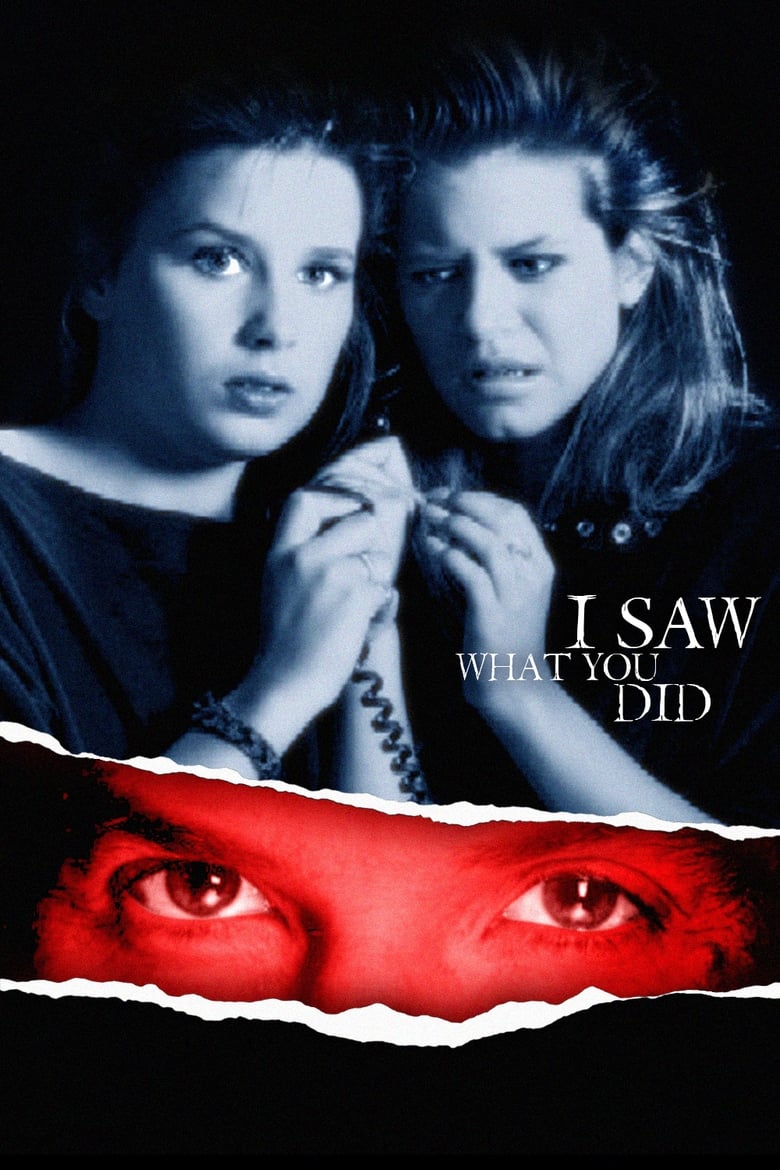
1988
Not RatedDirector
Fred Walton
Runtime
93 minutes
Average Rating
No ratings yetSynopsis
Two teens, Lisa and Kim, are playing games making prank calls on the phone. But when they call Adrian Lancer who has some mental problems, and say "I saw what you did", they ignite a human time bomb. Adrian has just killed someone and thinks they saw him do it. Now he is trying to find them.
Overall Score
Limited
Category Breakdown
LGBTQ+ Representation
The film lacks any visible LGBTQ+ characters or non-cisnormative identities. The story focuses strictly on interpersonal conflict without engaging with queer narratives.
Gender Representation
Two female protagonists, Lisa and Kim, drive the plot through their initial actions. However, the tension relies on a male antagonist, following standard thriller tropes of women facing external peril.
Racial & Ethnic Diversity
The narrative suggests a homogeneous, Western-centric cast typical of late-80s television. There is no indication of a diverse or non-Anglo-Saxon majority within the character set.
Religious & Cultural Diversity
Themes center on traditional morality and the consequences of one's actions. The plot follows a standard cause-and-effect trajectory without exploring secularist or anti-Western perspectives.
Disability Representation
The antagonist, Adrian Lancer, is noted to have mental health issues. This portrayal risks using neurodivergence as a mere catalyst for suspense rather than offering a nuanced depiction.
Strengths
Areas for Improvement
AI Analysis
This thriller operates within a conventional genre framework, prioritizing psychological tension over social or intersectional exploration. While it provides female agency through its protagonists, the narrative structure remains tethered to traditional suspense tropes. The film's approach to diversity is limited, particularly regarding racial and LGBTQ+ representation. The characterization of mental health also leans toward a trope-heavy use of disability to drive the plot's central conflict. Ultimately, the work functions as a standard domestic suspense piece, lacking the progressive narrative architecture required to subvert social hierarchies or provide deep cultural commentary.
1970
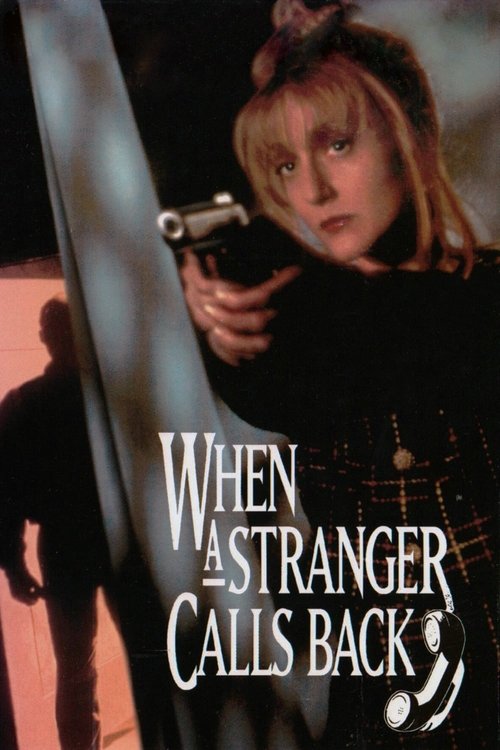
1993
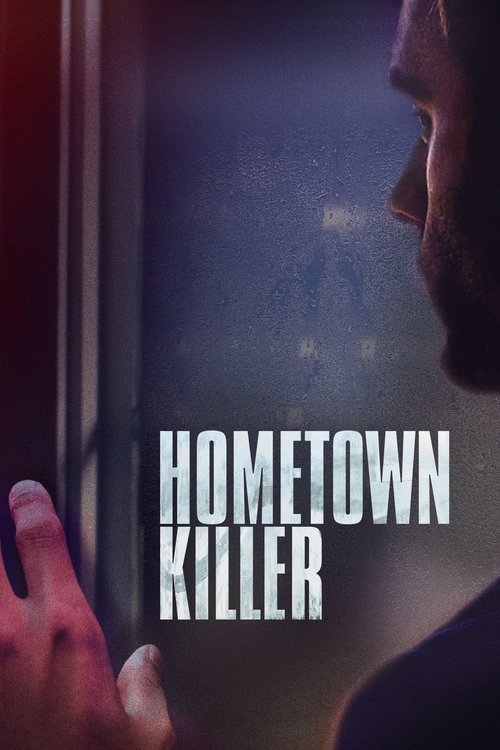
2018

1997
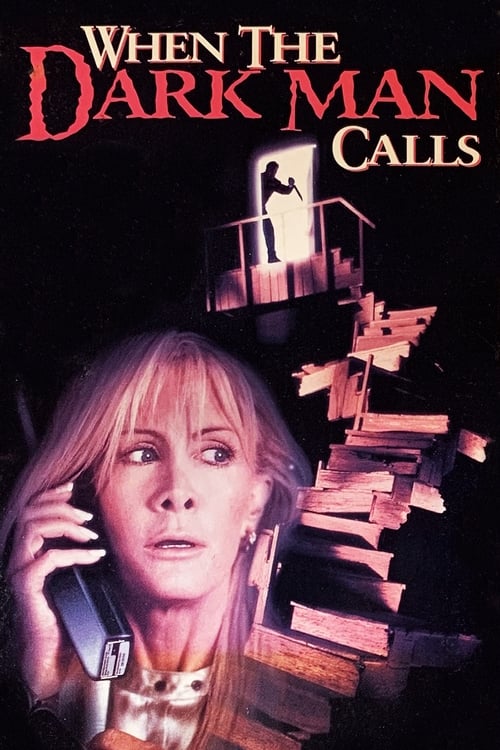
1995

2018
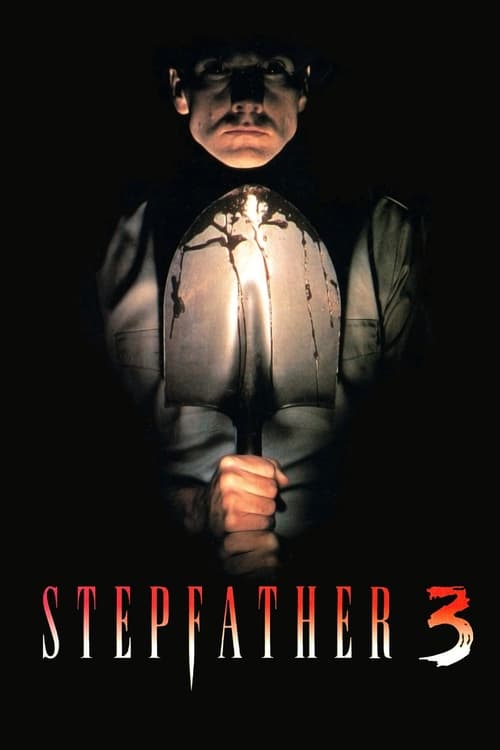
1992
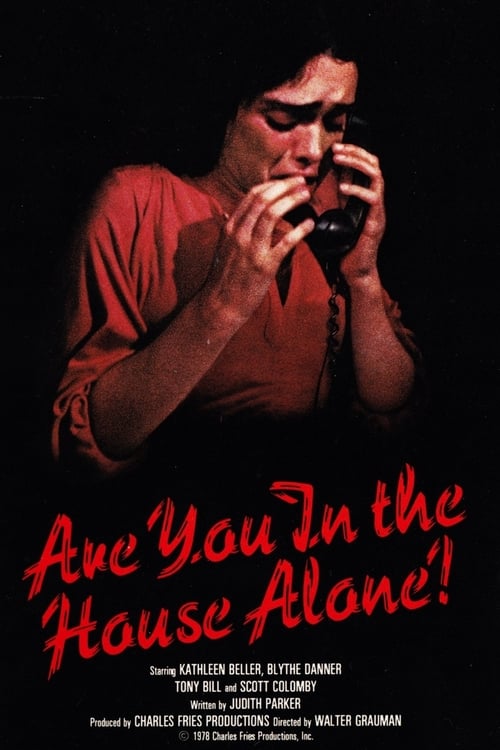
1978
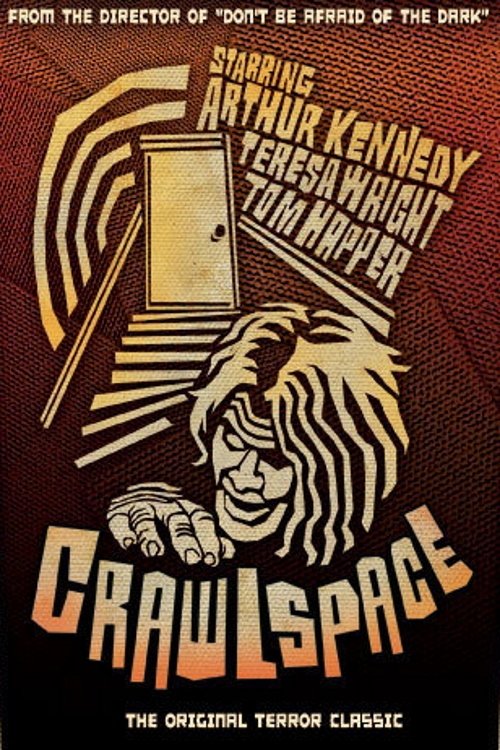
1972
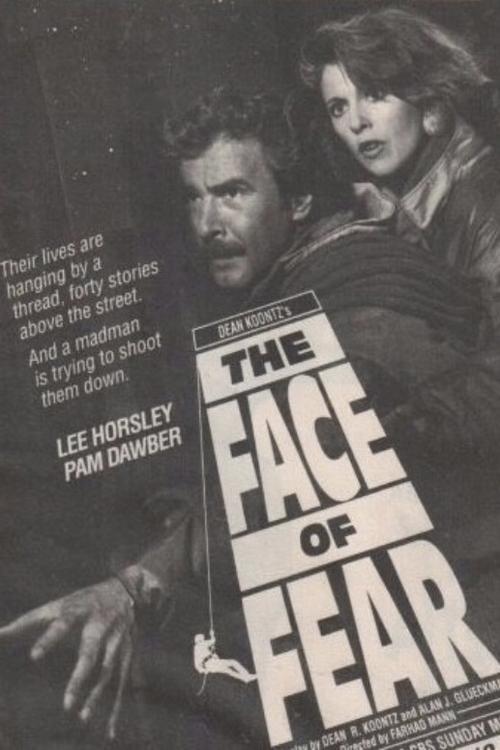
1990
1973
1982
No reviews yet. Be the first to share your thoughts on this movie!
Use the rating form above to leave a star rating and optional review.