
All the Kind Strangers
1974
No user ratings available yet
Representation score: 0.6 out of 10
Representation Score
Limited
1972
Director
John Newland, Buzz Kulik
Runtime
74 minutes
Average Rating
No ratings yetNew Showbiz Analysis
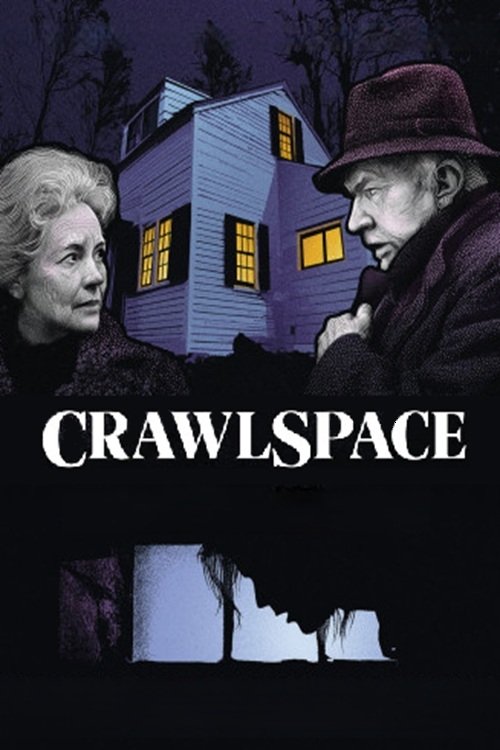
Crawlspace is a conventional 1970s psychological thriller that reinforces the social and domestic norms of its era. The narrative structure prioritizes the stability of the nuclear family, often framing deviation from social norms as a source of tragedy. The film lacks complexity in reflecting multiple aspects of identity, focusing instead on a homogeneous domestic framework. It operates within the established cultural hierarchies of early 1970s television, offering little disruption to traditional social structures. Ultimately, the work serves as a standard genre piece. It relies on traditional character archetypes and lacks the diverse perspectives necessary to challenge the status quo.
Category Breakdown
The film centers on a traditional middle-aged couple. There is no evidence of non-straight or non-cisgender identities or same-sex intimacy within the narrative.
The story focuses on a couple attempting to perform traditional parental roles. It relies on conventional family dynamics without challenging established gender hierarchies.
The narrative features a middle-aged couple and a troubled youth. There is no indication of a non-white or non-Anglo-Saxon majority cast.
The plot emphasizes social conformity and the preservation of the nuclear family. It functions as a cautionary tale regarding social deviance and stability.
The troubled youth may exhibit psychological instability. However, these traits risk being used as a plot device rather than providing empowered representation.
Present on Screen
Limited or Absent
Official Synopsis
A childless middle-age couple adopt a troubled youth they find living in their crawlspace and attempt to get him to rejoin society with tragic results.
1974
1965

2010
1977
1993

1976

1997
2007
No reviews yet. Be the first to share your thoughts on this movie!
Use the rating form above to leave a star rating and optional review.