
Love and Other Crimes
2008
No user ratings available yet
Representation score: 5.7 out of 10
Representation Score
Limited
1973
PGDirector
Menahem Golan
Runtime
122 minutes
Average Rating
No ratings yetNew Showbiz Analysis
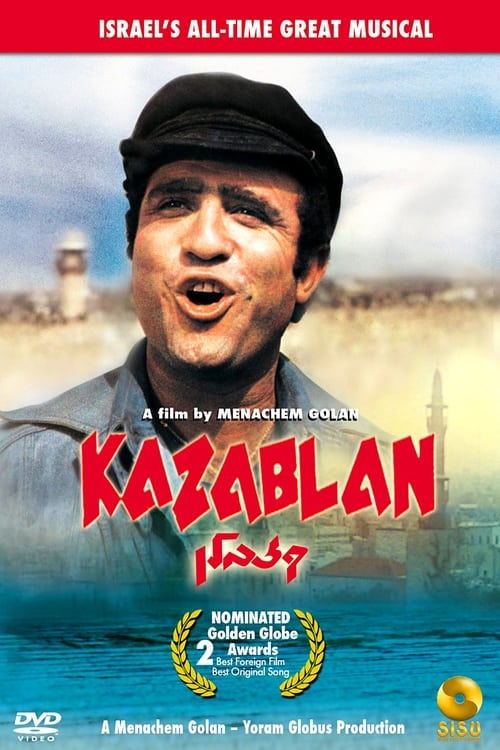
Kazablan stands as a cultural landmark for its intentional centering of Mizrahi identity. By framing the story through the lens of a Middle Eastern/North African community, it effectively challenges the Ashkenazi-centric social order of its era. However, the film remains tethered to traditional clichés. The gender dynamics are conventional, and the romantic structure is strictly straight-centered, limiting the scope of its social representation. Ultimately, the film's strength lies in its deconstruction of systemic displacement and ethnic hierarchy, providing a sophisticated look at community-led resistance despite its reliance on standard genre archetypes.
Category Breakdown
The film follows traditional romantic structures centered around heterosexual relationships. There are no characters with LGBTQ+ identities or queer subtexts.
The story relies on traditional archetypes, featuring a hyper-masculine protagonist and a female lead who serves as a romantic catalyst. While women play key roles in the emotional core, the narrative reinforces conventional gender hierarchies.
This film disrupts Eurocentric dominance by centering a Mizrahi protagonist. It uses ethnic tension between Sephardic and Ashkenazi communities to drive the central conflict and gives ability to act to underrepresented characters.
The narrative critiques established power structures by highlighting socioeconomic gaps. It portrays the struggle for housing as a class-based conflict, elevating community solidarity over formal state institutions.
There are no prominent depictions of visible or invisible disabilities that serve as central character traits or drive the narrative.
Present on Screen
Limited or Absent
Official Synopsis
An adaptation of a popular Israeli stage musical. Kazablan is an army veteran turned gang leader in the Israeli port of Jaffa who masks his feelings of bitterness with a lot of bravado. He's sweet on Rachel, a young woman who lives with her father and stepmother. The budding relationship scandalizes the neighbors (not to mention Rachel's parents) and infuriates Yanush, a middle-aged shoe store owner who wants Rachel for himself. (Yanush feels he's entitled to marry Rachel since they're both Ashkenazi Jews of Eastern European origins, whereas Kazablan is a Sephardic Jew from Morocco.) The neighborhood has something else to worry about besides the antics of Kazablan and his gang: the city wants to tear down their crumbling homes. The residents pool their resources to save their houses, but the money that's collected is stolen. When he's jailed for the theft, Kazablan must find a way to clear himself.
2008

1958

1973

1970

1977

1990
1993
1967
No reviews yet. Be the first to share your thoughts on this movie!
Use the rating form above to leave a star rating and optional review.