Scheherazade's 1002nd Night
1985
No user ratings available yet
Representation score: 5.3 out of 10
Representation Score
Fair
1985
Director
Brita Wielopolska
Runtime
76 minutes
Average Rating
No ratings yetNew Showbiz Analysis
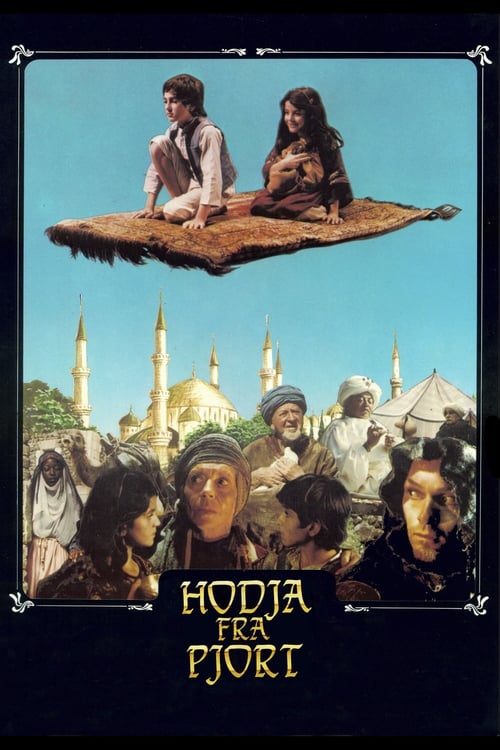
Hodja from Pjort offers a fresh take on the adventure genre by focusing on a collaborative journey without hierarchical structures. Utilizing Middle Eastern settings and folklore, the film moves beyond Western-centric storytelling, offering a more global perspective. While the narrative empowers female characters and explores themes of individual freedom against institutional authority, it lacks explicit representation of LGBTQ+ identities or disability. The story prioritizes childhood companionship and magical exploration. Ultimately, the film disrupts conventional genre expectations through its setting and character dynamics, though specific demographic representation remains limited.
Category Breakdown
The film centers on the childhood friendship between Hodja and Emerald. Though no explicit LGBTQ+ identities are shown, the film presents a more gender-neutral social environment without rigid romantic hierarchies.
Emerald is an active participant in the adventure, avoiding the damsel in distress cliché. She accompanies the protagonist on a dangerous journey, playing a significant role in driving the story.
Set in Turkish locations inspired by Arabian Nights, the film moves away from Anglo-Saxon-centric settings. This provides a platform for non-Western aesthetics and cultural elements.
The story challenges traditional power structures by presenting the Sultan as an antagonist against individual freedom. It emphasizes curiosity and magical realism over conventional social roles and domestic stability.
There is no discernible evidence regarding the portrayal of physical or neurodivergent disabilities within the narrative.
Present on Screen
Limited or Absent
Official Synopsis
Inspired by tales from "Arabian Nights", with many a touch of magic, but primarily based on a book by Denmark's Ole Lund Kirkegaard, a master of the baroque stories for children, this adventurer takes the boy Hodja on a flying carpet outing. The boy wants to see the world and asks his girl-friend Emerald along. But an evil Sultan has his own designs on the carpet. Shot on Turkish locations with an extensive use of special effects.
1985
1926
1958
1998
1970
1981
1953
1994
No reviews yet. Be the first to share your thoughts on this movie!
Use the rating form above to leave a star rating and optional review.