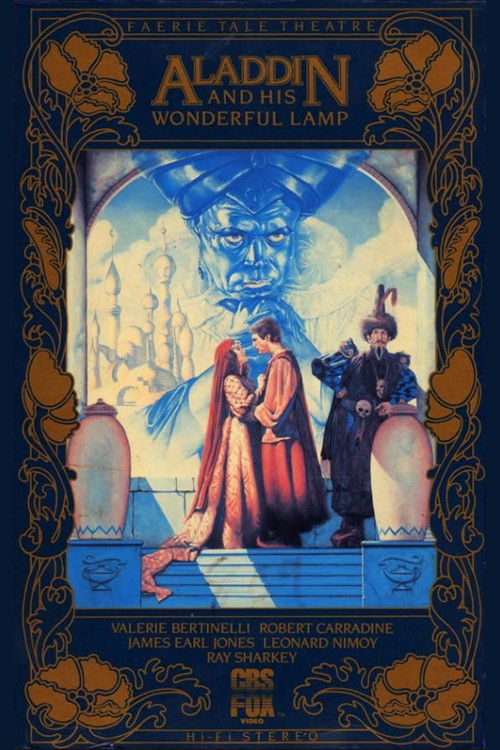
Aladdin and His Wonderful Lamp
1986
No user ratings available yet
Representation score: 3.9 out of 10
Representation Score
Fair
1985
Director
Takhir Sabirov
Runtime
80 minutes
Average Rating
No ratings yetNew Showbiz Analysis
Takhir Sabirov’s film offers a significant engagement with non-Western cultural frameworks by focusing on an Eastern literary figure. By choosing this subject, the film provides a much-needed shift from Western-centric storytelling traditions. While the film successfully immerses viewers in non-Western cultures through folklore, it doesn’t explicitly highlight diverse identities. The representations stay close to traditional archetypes without addressing modern social issues. Overall, the film operates as a fantasy-driven tale that prioritizes mythic storytelling over current progressive themes.
Category Breakdown
The film doesn't show any clear signs of queer identities or non-straight relationships. It follows traditional romantic storylines based on the original myths.
Scheherazade is shown as a smart and influential character, using stories to navigate power structures. However, these portrayals stick closely to classical gender roles without challenging them.
By focusing on Middle Eastern folklore, the film moves away from the Eurocentric views often seen in Western movies. It uses fantasy to explore cultural traditions.
The story centers around a legendary figure from the Islamic Golden Age, providing a non-Western view on power. It emphasizes mythic truths over Western religious doctrines.
There is no mention of characters dealing with physical, sensory, or neurodivergent conditions in the available narrative details.
Present on Screen
Limited or Absent
Official Synopsis
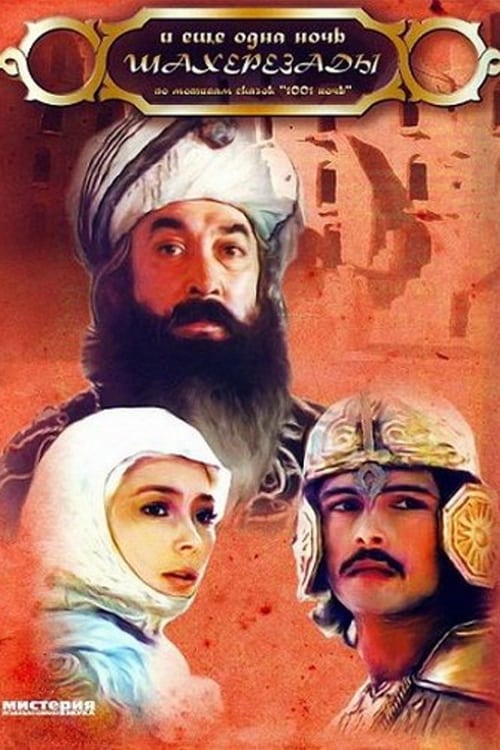
One night, at the caliph’s court, the beautiful and wise Scheherazade tells one of her stories: Once upon a time, there was a married couple, Musaffar and Aisha. On the day their son Asamat was born, a wise man appeared to Aisha and prophesied that the newborn would find happiness and love if Asamat were to pass all his trials. The sage left behind a magic flute that was meant to protect the boy from sorrow and misfortune...
1986
1974
1984
1965
1985

1990
1973

1972
No reviews yet. Be the first to share your thoughts on this movie!
Use the rating form above to leave a star rating and optional review.