
Dhokha
2007
No user ratings available yet
Representation score: 6.2 out of 10
Representation Score
Limited
2008
Not RatedDirector
Nishikant Kamat
Runtime
119 minutes
Average Rating
No ratings yetNew Showbiz Analysis
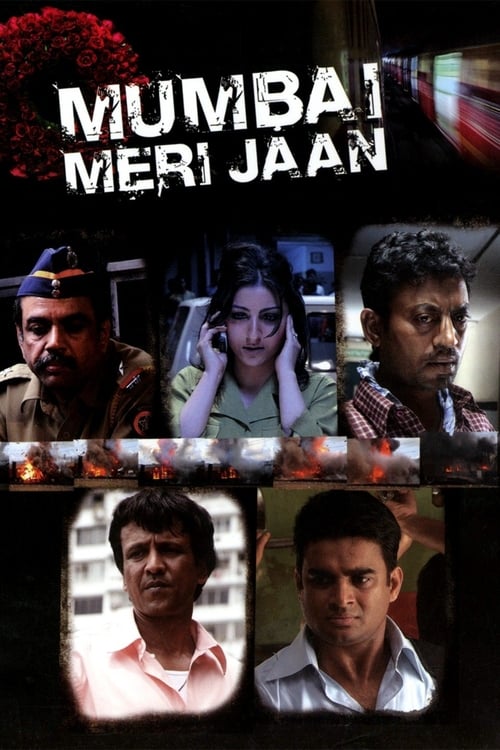
Mumbai Meri Jaan is a gritty, realistic portrayal of urban life that highlights the experiences of diverse communities. It succeeds by presenting a layered, multi-ethnic view of city life rather than a uniform one. The film's strength lies in its critical look at flawed institutions and state authority. By showing corrupt officials and problematic systems, it offers a nuanced critique of systemic issues during a crisis. However, the narrative structure leans heavily towards male-centric viewpoints. While female characters like Rupali Joshi have important roles, the primary drivers of the plot focus on male-dominated social and political tensions.
Category Breakdown
The film focuses on the aftermath of the 2006 Mumbai bombings. There are no non-straight or non-cisgender identities or same-sex relationships shown in the story.
Female characters like Rupali Joshi, a news reporter, navigate personal grief and professional duties. However, the story mainly centers on male perspectives regarding the city's collapse.
The film showcases a mix of ethnicities, including South Indian migrants and various socioeconomic levels. These identities play a key role in the tension following the railway blasts.
The story examines Hindu-Muslim tensions and questions the reliability of state authorities. It avoids a sanitized view of institutions like the police and media.
There is no significant portrayal of visible or invisible disabilities in the film’s main storyline.
Present on Screen
Limited or Absent
Official Synopsis
When a series of bombs explode in train stations throughout Mumbai, a disparate group of locals are affected in different ways. Thomas, who sells tea, meets Rupali, a reporter coping with the death of her fiancé. Meanwhile, Suresh, who is struggling with financial woes, begins to be overly suspect of all Muslims. For Sunil, a policeman working on the case, there is frustration at realizing his corrupt boss is still on the take.
2007
2001
2004
2008
2011
2013
2018
2009
No reviews yet. Be the first to share your thoughts on this movie!
Use the rating form above to leave a star rating and optional review.