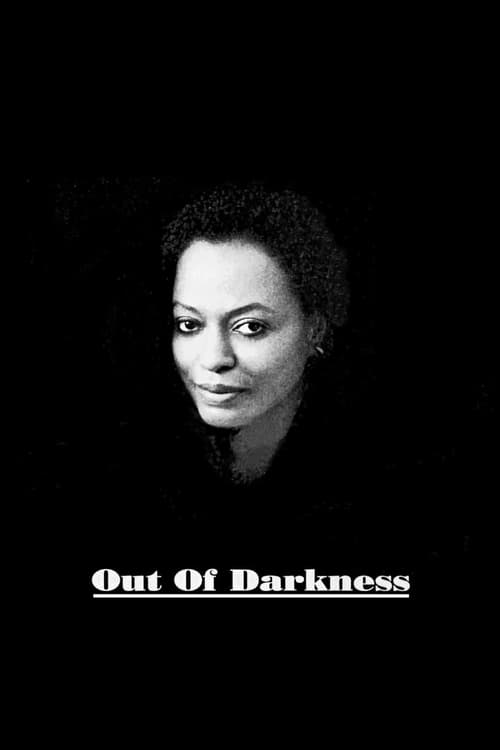
Out of Darkness
1994
No user ratings available yet
Representation score: 3.2 out of 10

Representation Score
Fair
1994
Director
Robert Iscove
Runtime
93 minutes
Average Rating
No ratings yetNew Showbiz Analysis
Without Consent stands out primarily through its sophisticated and authentic handling of disability. By centering a deaf protagonist played by Marlee Matlin, the film integrates deafness as a core element of character identity rather than a mere plot device. This provides a level of ability to act and realism rarely seen in 1990s television. The film also offers a strong critique of gendered trauma. It avoids the cliché of the passive victim, instead focusing on a woman's struggle for justice against systemic failures. This shift in power dynamics provides a nuanced look at how institutions fail individuals. However, the film is limited by its lack of diverse representation. The cast is predominantly white, and there is no representation of LGBTQ+ identities. While it handles its central themes with depth, it remains rooted in a traditional, suburban, straight-centered worldview.
Category Breakdown
The film lacks LGBTQ+ characters and does not explore non-straight identities. The story remains centered within a strictly heterosexual social and legal framework.
The narrative centers on women's ability to drive the story and their psychological resilience following male violence. It critiques systemic vulnerabilities women face, shifting power from the perpetrator to the survivor's pursuit of accountability.
The film features a predominantly white cast consistent with its mid-90s suburban setting. It avoids racial stereotypes while focusing on the universal psychological aspects of trauma.
The story critiques the reliability of social and legal institutions when responding to individual trauma. It operates within a traditional moral framework seeking justice through legal accountability.
Casting Marlee Matlin provides authentic representation of deafness as a functional part of the character's identity. The film avoids 'inspiration porn,' treating disability as a fundamental aspect of her experience.
Present on Screen
Limited or Absent
Official Synopsis
After being sent to an abusive psychiatric facility by her well-meaning parents, a rebellious teenager must fight for her release.
1994

2001

2001

2007
1993

1995

2022
2012
No reviews yet. Be the first to share your thoughts on this movie!
Use the rating form above to leave a star rating and optional review.