
The Surrogate
1995
No user ratings available yet
Representation score: 1.1 out of 10
Representation Score
Limited
1993
Director
Sheldon Larry
Runtime
90 minutes
Average Rating
No ratings yetNew Showbiz Analysis
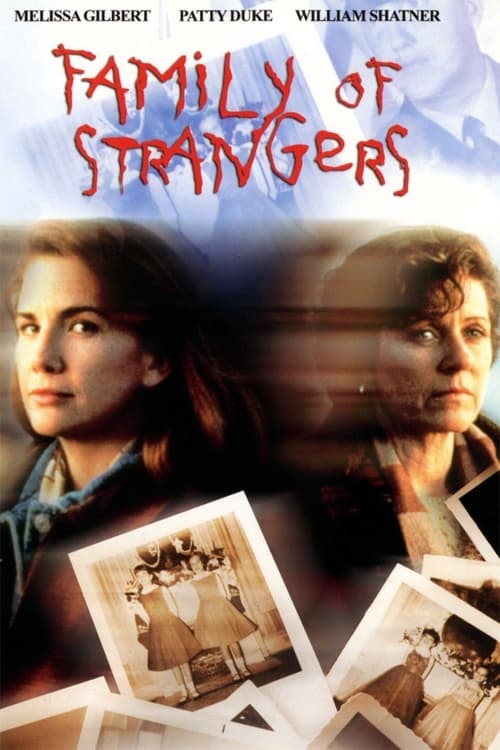
Family of Strangers redefines the traditional family unit by using a medical crisis to expose its flaws. Instead of upholding idealized clichés, the film presents the family as a complex entity that can conceal deep personal traumas. The story emphasizes the protagonist's journey towards understanding her own life rather than maintaining societal norms. It portrays the family not as a safe haven but as a place where hidden issues can arise. Although the film does not explicitly address multi-layered identities, it explores fractured identities and challenges conventional family structures.
Category Breakdown
The film does not include any characters or stories related to LGBTQ+ identities or experiences.
The story focuses on a female protagonist who navigates her body and family life. It emphasizes her personal experiences and actions rather than traditional gender roles.
There is insufficient information to determine the racial composition of the cast or the ethnic dynamics of the characters.
The narrative questions the sanctity of the traditional Western family by showing how it can hide serious problems. It highlights the complexities of adoption and family structure.
The plot revolves around medical issues and physical vulnerabilities. However, it is unclear if these elements provide meaningful representation of disability or just serve the plot.
Present on Screen
Limited or Absent
Official Synopsis
Julie must disclose her family's medical history before undergoing major surgery: when she questions her family, she discovers that she was adopted and, later, that her conception was the product of a rape.
1995
2009
1994
2012

2005

2015
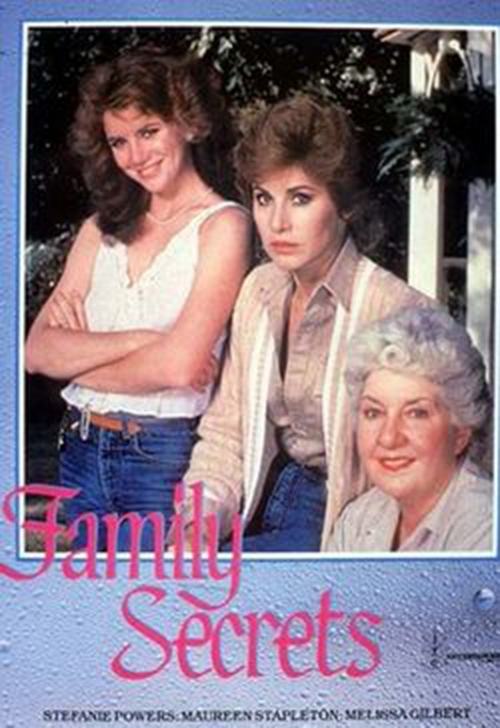
1984

2019
No reviews yet. Be the first to share your thoughts on this movie!
Use the rating form above to leave a star rating and optional review.