Promise
1986
No user ratings available yet
Representation score: 4.7 out of 10
Representation Score
Limited
2012
Not RatedDirector
Jim O'Hanlon
Runtime
86 minutes
Average Rating
No ratings yetNew Showbiz Analysis
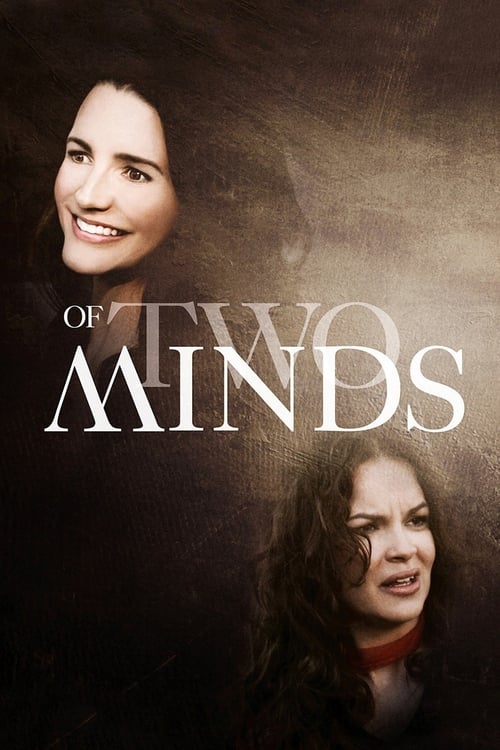
Of Two Minds is a conventional domestic drama centered on the tension between caretaking and family stability. While it offers meaningful representation through neurodivergence and women's ability to drive the story, it adheres to established cinematic frameworks rather than challenging social hierarchies. The film's strength lies in its focus on the complexities of mental illness and the responsibilities of a female protagonist. However, it lacks multi-layered depth and tends to rely on traditional clichés regarding disability and domestic roles. Ultimately, the narrative functions as a study of a family in crisis, prioritizing the management of stability over the subversion of systemic structures.
Category Breakdown
The film does not include any LGBTQ+ characters or stories about non-cisgender identities. The focus is entirely on cisgender family dynamics.
Billie plays a central role as she navigates caretaking and protection. However, the film reinforces traditional domestic hierarchies and maternal roles.
The story depicts a homogeneous nuclear family. There is no indication of diverse casting or non-Anglo-Saxon majority.
The story explores the breakdown of the ideal family unit under stress. It portrays the family as overwhelmed rather than critiquing Western institutions.
Elizabeth's schizophrenia drives the plot's tension and provides significant presence. However, her illness may serve as a catalyst for crisis rather than a fully realized identity.
Present on Screen
Limited or Absent
Official Synopsis
Follows the story of the challenging relationship between Billie and her younger schizophrenic sister, Elizabeth Baby. After their mother dies, Billie takes responsibility by moving Baby in with her family, including her husband, their teenage son and young daughter. At first, Baby and the family work to adjust to their new living arrangement. However, after a disturbing incident involving her son and Baby, it becomes clear to Billie that she and her family are not equipped to handle Baby's illness, ultimately forcing her to make the difficult decision to do what's best for her sister and her family.
1986

2011

1994

1974

2017

2008

2001
2014
No reviews yet. Be the first to share your thoughts on this movie!
Use the rating form above to leave a star rating and optional review.