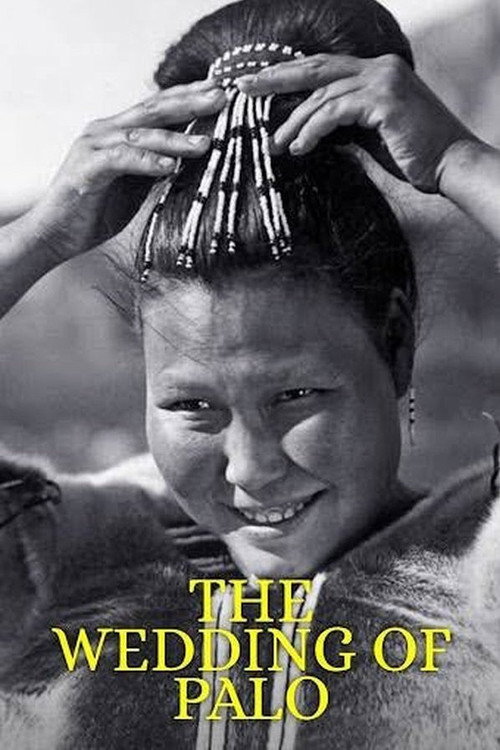
The Wedding of Palo
1934
No user ratings available yet
Diversity score: 5.0 out of 10
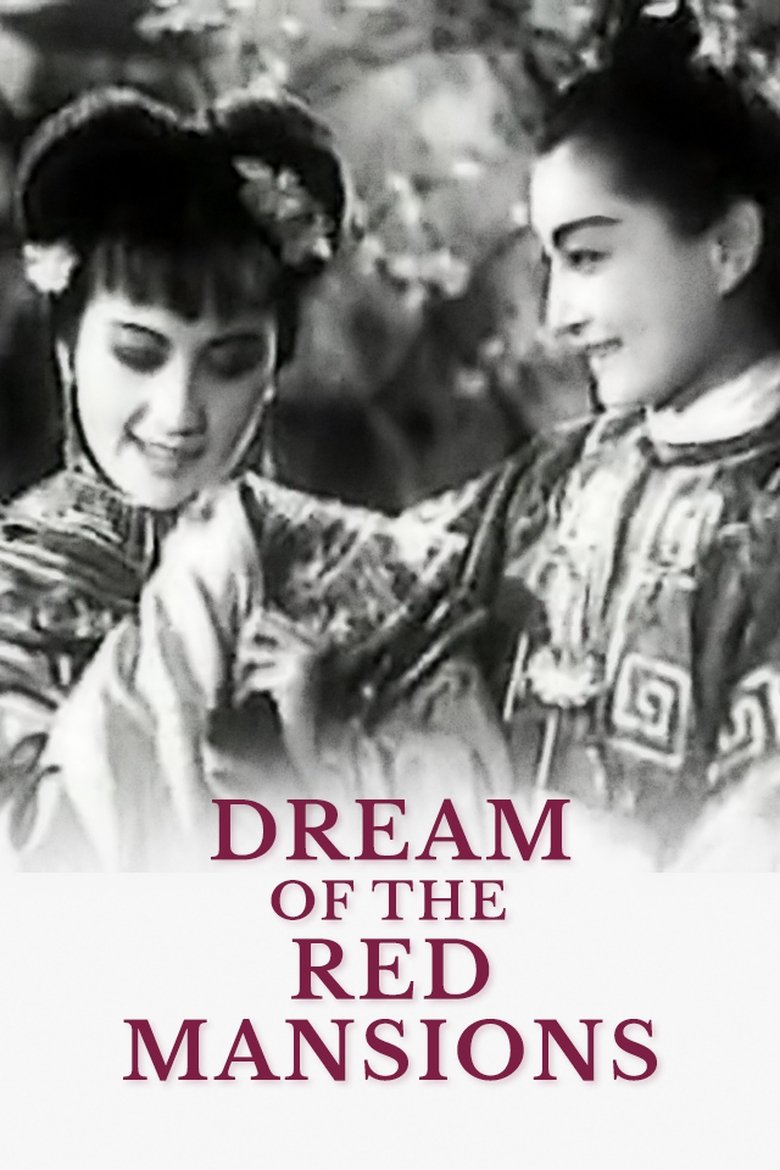
1944
Director
Bu Wan-Cang
Runtime
125 minutes
Average Rating
No ratings yetSynopsis
Based on the famous 18th century Chinese novel with the same name. Set during the 1700s in China, a prominent family loses its good luck when one of the sons loses the jade chip that was embedded in his mouth.
Overall Score
Fair
Category Breakdown
LGBTQ+ Representation
The story centers on heteronormative romance and traditional marriage within high society. There is no explicit evidence of non-cisnormative identities or narratives that critique heteronormativity through a queer lens.
Gender Representation
Female characters are central to the narrative, possessing significant emotional agency and intellectual depth. They navigate a patriarchal system while maintaining complex social lives and internal struggles.
Racial & Ethnic Diversity
The film provides a non-Western centric perspective by centering Chinese historical identity. It avoids Anglo-centric tropes by focusing entirely on a specific ethnic and cultural heritage.
Religious & Cultural Diversity
The production is deeply rooted in traditional Chinese social structures and familial duty. It functions as a meditation on the decay of established institutions and the weight of tradition.
Disability Representation
There is no evidence of characters with disabilities being portrayed with agency. The jade chip serves as a symbolic plot device rather than a nuanced exploration of physical or neurodivergent conditions.
Strengths
Areas for Improvement
AI Analysis
Bu Wan-Cang’s adaptation of this 18th-century masterpiece succeeds in providing a vital non-Western perspective. By centering Chinese cultural heritage, the film avoids the white-as-norm framework common in global cinema. However, the film remains tethered to the rigid social hierarchies of its period. The narrative architecture prioritizes traditional family structures and patriarchal constraints, which limits progressive representation in gender and identity. While the female characters possess notable emotional depth, the film lacks engagement with disability or queer identities, focusing instead on the decline of an aristocratic lineage.
1934
2005
1964

1979

1911

2016
1987

2016

1909

2018
2019
2026
No reviews yet. Be the first to share your thoughts on this movie!
Use the rating form above to leave a star rating and optional review.