Calling on Michigan
1949
No user ratings available yet
Representation score: 0.3 out of 10
Representation Score
Minimal
1941
ApprovedRuntime
9 minutes
Average Rating
No ratings yetNew Showbiz Analysis
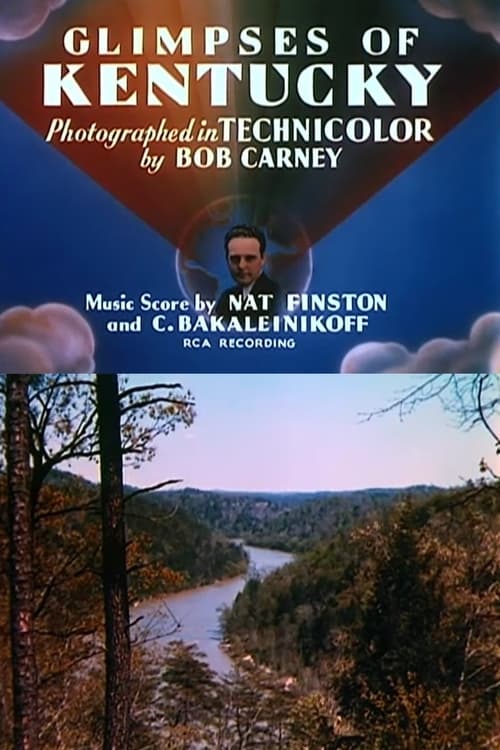
Glimpses of Kentucky is a mid-century travelogue that prioritizes regional pride and historical preservation. Its content is shaped by the era's focus on Western expansion and the celebration of established Anglo-American legacies. The documentary lacks representation that reflects multiple aspects of identity, focusing instead on male-centric industries like thoroughbred racing and the legacies of famous statesmen. The narrative structure reinforces traditional social hierarchies of the 1940s. Ultimately, the film serves as a historical artifact of its time, showcasing Kentucky through a lens of settler history and landmark tourism rather than a diverse social tapestry.
Category Breakdown
The film focuses on landmarks and equine heritage without including any LGBTQ+ characters or stories, sticking to the assumption that everyone is straight or cisgender.
The story highlights male-dominated industries and historical figures such as Daniel Boone and Henry Clay. It lacks prominent female figures or roles where women take control of their own lives.
The film centers on the first permanent white settlement and the Anglo-American legacy. It does not include representation of non-white populations or indigenous perspectives of the region.
The documentary celebrates regional patriotism and the preservation of Western historical legacies. It focuses on historical reverence and state heritage without critiquing systemic issues.
The film focuses on scenery, historical monuments, and horse farms. It does not depict any subjects with visible or invisible disabilities.
Present on Screen
Limited or Absent
Official Synopsis
This Traveltalk series short visit to Kentucky starts with a view of the Cumberland River, which flows for about 700 miles through the state. The first stop is Old Fort Harrod State Park, which has a replica of the original fort, the first permanent white settlement in the state. We then visit the grave sites of two of Kentucky's favorite sons, Henry Clay in Lexington and Daniel Boone in Frankfort. At My Old Kentucky Home State Park, we see the mansion and grounds that inspired composer Stephen Foster to write the song most associated with the state. We then visit three horse farms in the area of Lexington, the state's horse racing capital: Spindletop Farm; Faraway Farm, where we are introduced to Man o' War, the greatest racehorse of the 20th century; and Elmendorf Farm, where Man o' War's sire and dam, Fair Play and Mahuba, are buried.
1949
1947
1941
1942
1942
1940
1950
1944
No reviews yet. Be the first to share your thoughts on this movie!
Use the rating form above to leave a star rating and optional review.