
Straight On Till Morning
1972
No user ratings available yet
Representation score: 6.5 out of 10
Representation Score
Limited
1992
RDirector
Terri Treas
Runtime
90 minutes
Average Rating
No ratings yetNew Showbiz Analysis
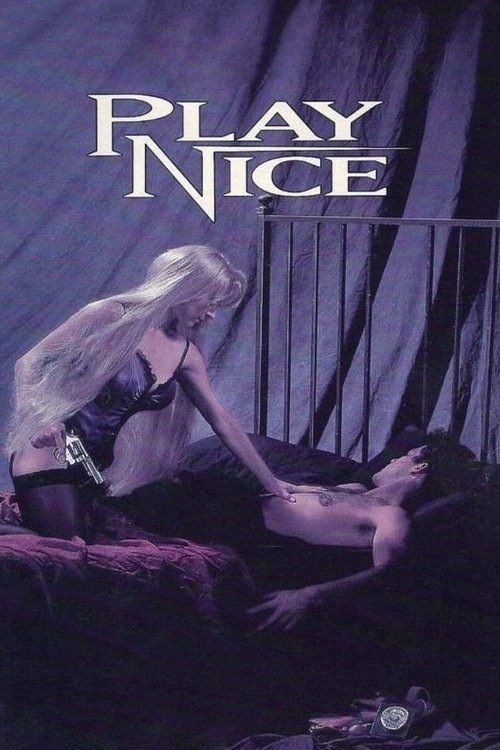
Play Nice functions as a conventional mystery-thriller from the early 1990s. While the directorial choice of Terri Treas suggests a possible departure from male-centric procedural clichés, the film largely adheres to established genre expectations. The narrative centers on a law enforcement investigation into a serial killer. While the killer's gender is left ambiguous, the film lacks the multi-layered complexity or explicit deconstruction of power structures needed for a higher diversity rating. Ultimately, the production leans toward the standard casting and thematic patterns of its era, offering little evidence of progressive social commentary or diverse representation.
Category Breakdown
The film leaves the killer's identity ambiguous, hinting at gender-nonconforming criminality. However, there are no clear depictions of queer identity or intimate relationships.
Terri Treas’s direction and Louise Robey’s prominent role offer potential for women to play a significant role in driving the story. However, the central conflict often relies on traditional masculine authority figures.
The casting seems to follow conventional demographics typical of the early 1990s. There is no indication of a non-white majority or actors from diverse backgrounds.
The narrative follows a standard thriller framework without confirmed anti-institutional or secularist themes. It does not explicitly critique societal decay or systemic instability.
The film provides no information regarding characters with physical, neurodivergent, or mental health disabilities.
Present on Screen
Limited or Absent
Official Synopsis
A serial killer is on the loose, and a cop must track him (or her) down.
1972
1982

1990

1988
1997

1992
1988

1984
No reviews yet. Be the first to share your thoughts on this movie!
Use the rating form above to leave a star rating and optional review.