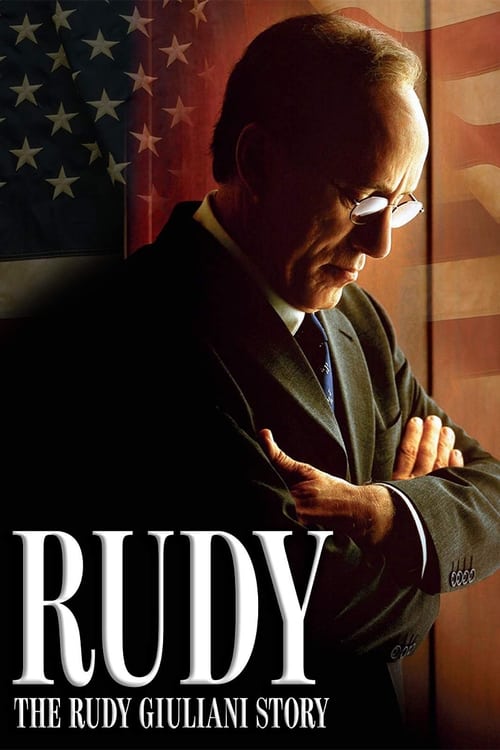
Rudy: The Rudy Giuliani Story
2003
No user ratings available yet
Diversity score: 2.2 out of 10
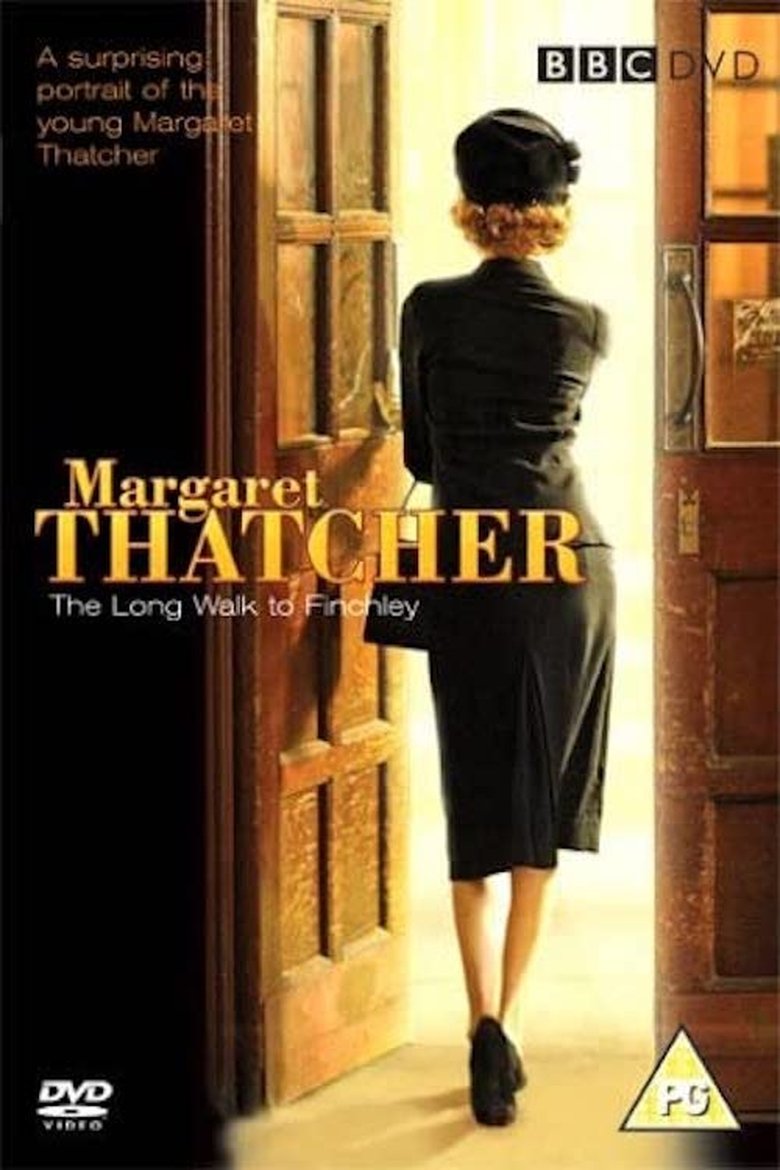
2008
TV-14Director
Niall MacCormick
Runtime
84 minutes
Average Rating
No ratings yetSynopsis
A light hearted look at future Prime Minister Margaret Thatcher's rise from research chemist in 1949 to becoming MP for Finchley in 1959, encompassing her early relationship and marriage to oil millionaire Denis Thatcher.
Overall Score
Limited
Category Breakdown
LGBTQ+ Representation
The film adheres to a strictly heteronormative framework. The plot centers entirely on the marriage between Margaret and Denis Thatcher, with no non-cisnormative identities present.
Gender Representation
The narrative centers on a female protagonist disrupting a male-dominated political landscape. It explores her assertion of intellectual agency within a patriarchal system, though it focuses more on her authority than deconstructing the system.
Racial & Ethnic Diversity
The cast and setting reflect the homogeneous demographic realities of the 1940s and 50s British political establishment. There is no evidence of color-blind casting or intentional efforts to diversify the period.
Religious & Cultural Diversity
The film functions as a traditional biographical chronicle of a figure synonymous with neoliberalism. It operates within established Western political and capitalist frameworks without offering critiques of these structures.
Disability Representation
There is no visible inclusion of characters with physical, sensory, or neurodivergent disabilities within the primary narrative arc.
Strengths
Areas for Improvement
AI Analysis
This biographical drama prioritizes historical accuracy, capturing the specific socioeconomic and demographic landscape of mid-century Britain. While it succeeds in highlighting female agency within a patriarchal era, it remains limited by the era's inherent lack of diversity. The film's focus is on individual navigation of existing power structures rather than a broader social critique. Consequently, the representation is heavily tied to the homogeneous and institutionalized nature of the 1940s and 50s political world.
2003
1995
2013

2008
1994

2017

1989
1998

2004
2002
2010
1983
No reviews yet. Be the first to share your thoughts on this movie!
Use the rating form above to leave a star rating and optional review.