The Audrey Hepburn Story
2000
No user ratings available yet
Representation score: 4.3 out of 10
Representation Score
Good
2017
Director
Dominic Leclerc
Runtime
90 minutes
Average Rating
No ratings yetNew Showbiz Analysis
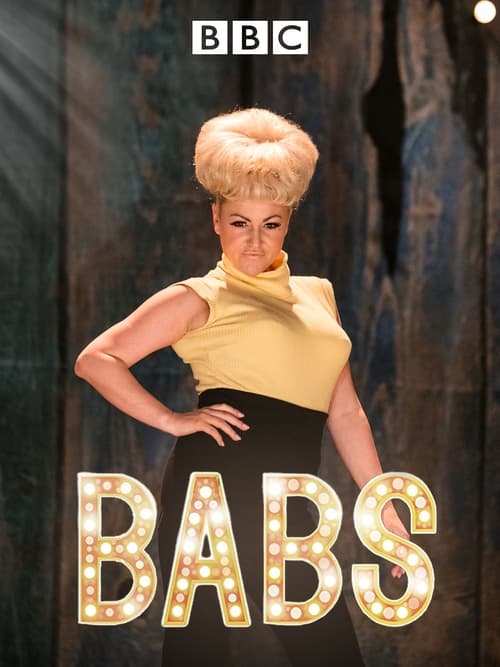
Babs is a character study that prioritizes the reclamation of women's ability to drive the story over broad characters who reflect more than one aspect of diversity. It succeeds in subverting the 'passive starlet' cliché by emphasizing Windsor's work ethic and professional autonomy. The film's historical setting limits racial and LGBTQ+ visibility, reflecting the specific socio-cultural context of mid-century Britain. However, it provides a sophisticated look at how personal struggles exist behind a celebrated public image. Ultimately, the drama critiques the celebrity machine, using Windsor's life to challenge the rigid social hierarchies of the 20th century.
Category Breakdown
The film focuses on professional mentorship and female-driven creative spaces within theater. While it presents nuanced power dynamics, it does not explicitly depict queer romance or non-cisgender identities.
Windsor is portrayed as a highly skilled professional rather than a passive stereotype. The narrative emphasizes her intellect and ability to act as she navigates a male-dominated industry and personal pressures.
The story reflects the relatively homogeneous makeup of mid-century London and the British working class. The focus remains on the Cockney experience and post-war class dynamics.
The film deconstructs the idealized British icon by examining the fragility of traditional institutions. It explores the complexities of marriage and paternal relationships behind the public persona.
The narrative touches on the psychological impact of fame and a lonely childhood. These elements serve as character foundations rather than centering specific visible or neurodivergent disabilities.
Present on Screen
Limited or Absent
Official Synopsis
This is the story of Dame Barbara Windsor, the Cockney kid with a dazzling smile and talent to match. Preparing to perform in the theatre one cold evening in 1993, the cheeky, chirpy blonde Babs recounts the people and events that have shaped her life and career over fifty years from 1943 to 1993. She contemplates her lonely childhood and WWII evacuation; her decision to go from Barbara Ann Deeks to Barbara Windsor, inspired by the Coronation of Queen Elizabeth II; her complicated relationship with her father; her doomed marriage to Ronnie Knight; capturing the attention of theatre director Joan Littlewood; and becoming the blonde bombshell in the Carry On films. Babs, ever the consummate professional, never lets her fans down whatever her personal anguish and steps on the stage to rapturous applause.
2000
2008
2009
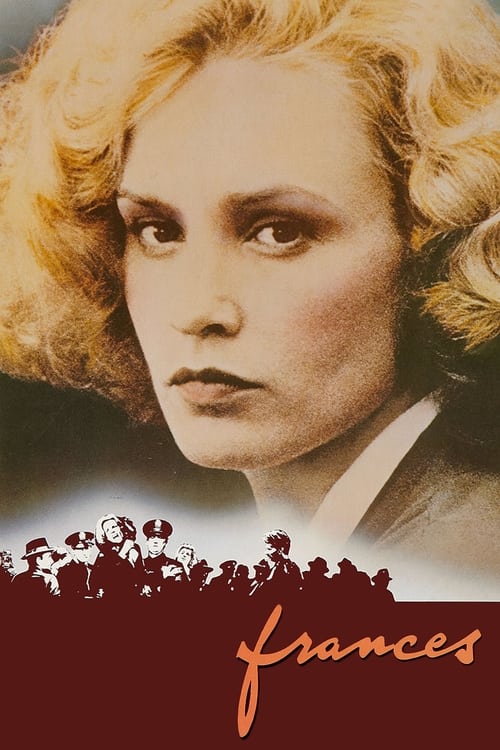
1982
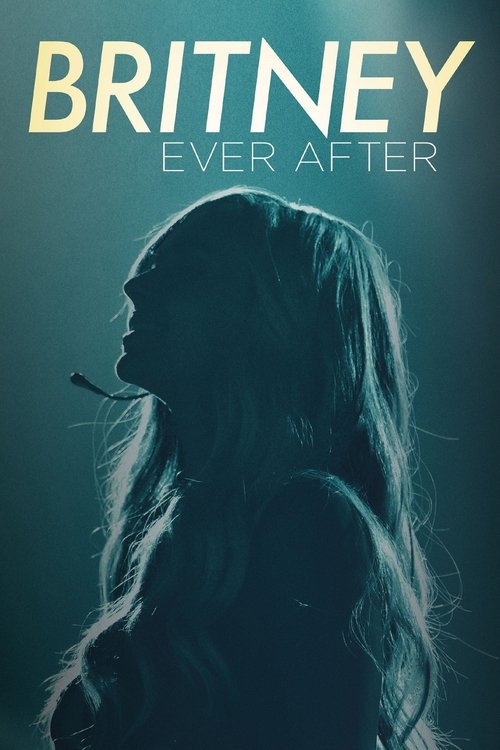
2017
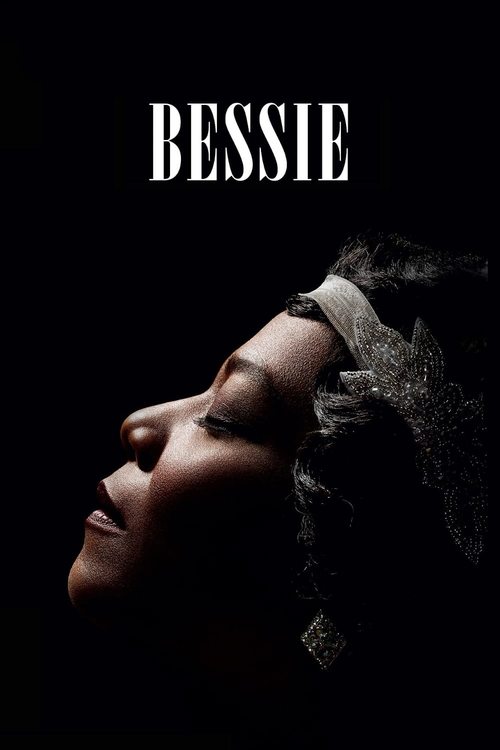
2015
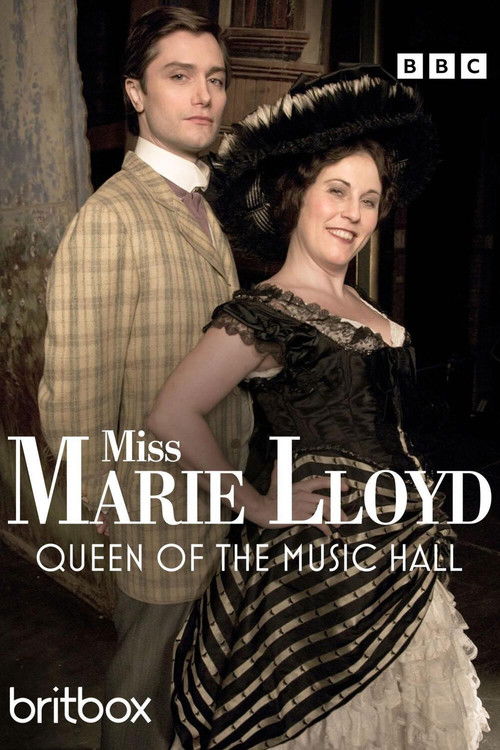
2007

1968
No reviews yet. Be the first to share your thoughts on this movie!
Use the rating form above to leave a star rating and optional review.