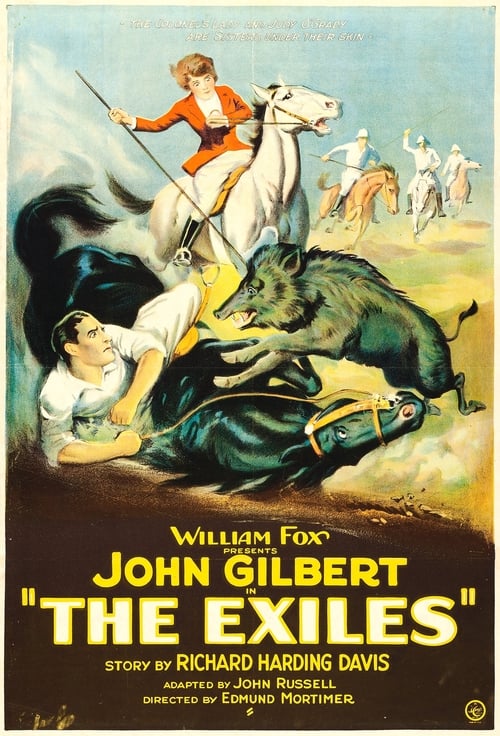
The Exiles
1923
No user ratings available yet
No diversity score available
1916
PASSEDDirector
Reginald Barker
Runtime
55 minutes
Average Rating
No ratings yetSynopsis
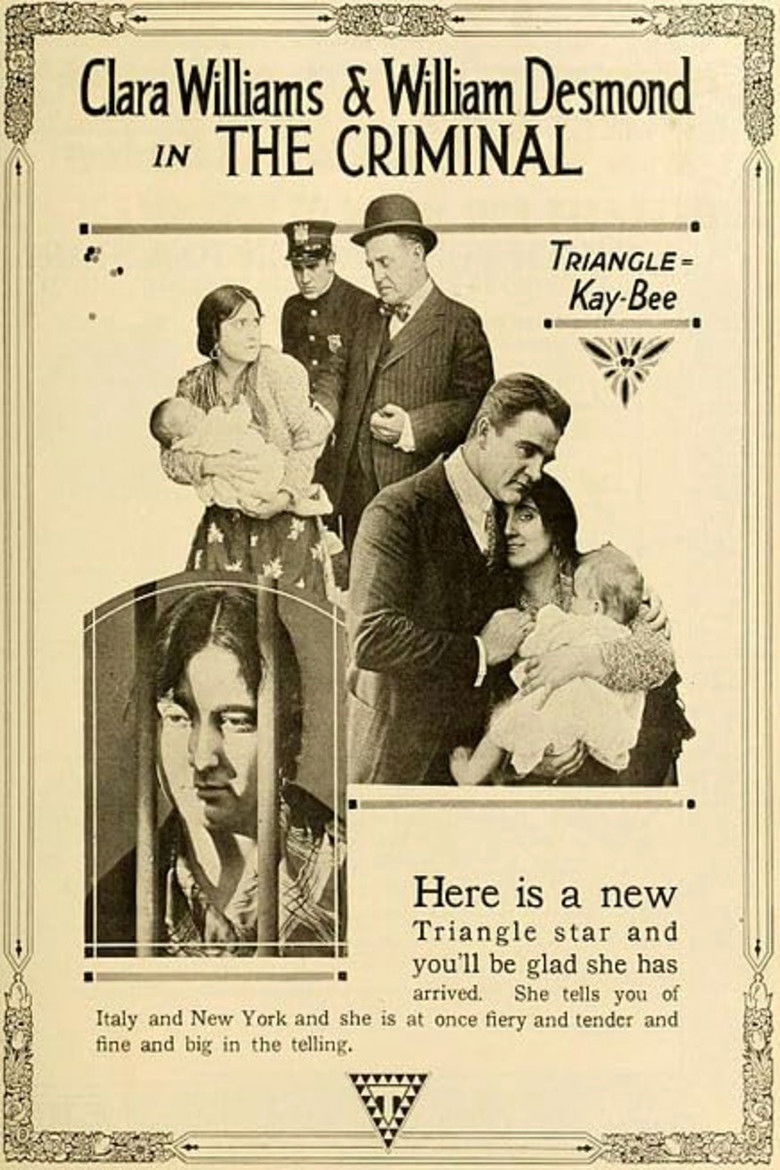
A young Italian immigrant girl, uneducated and superstitious, finds an abandoned baby on the stairs of her tenement, with a note attached explaining the baby is illegitimate. A young newspaper reporter, whom the girl knows from waiting on him at the restaurant where she works, reads the note for her. But the police arrest her, at no evidence whatsoever other than possession of the baby, for kidnapping.
Overall Score
Fair
Category Breakdown
LGBTQ+ Representation
The film contains no evidence of non-heteronormative identities. The narrative focus remains strictly on ethnic and class-based conflicts.
Gender Representation
A female protagonist drives the central tension of the plot. Her agency is vital as she navigates a high-stakes legal crisis.
Racial & Ethnic Diversity
The story centers on an Italian immigrant, exploring the friction between ethnic minorities and dominant social structures. It highlights the vulnerability of outsiders.
Religious & Cultural Diversity
The film critiques Western legal institutions by portraying them as flawed and oppressive. It uses the protagonist's superstitions to highlight cultural gaps.
Disability Representation
There is no information regarding the portrayal of physical or neurodivergent disabilities in this work.
Strengths
Areas for Improvement
AI Analysis
The film functions as a critique of systemic failure, positioning the state as an arbitrary force of oppression rather than a protector. By centering an uneducated Italian immigrant, the narrative explores how socioeconomic vulnerability leads to unjust criminalization. While the film offers a meaningful look at the immigrant experience and institutional injustice, it lacks intersectional complexity. The representation is shaped by the era's cinematic constraints, focusing on class and ethnicity rather than a broader spectrum of identities. Ultimately, the work challenges the 'law and order' trope by framing the legal system as the true source of conflict against the marginalized.
1923
1917
1926

1924

1924
1921
1921
1918
1953
1934

2005

2009
No reviews yet. Be the first to share your thoughts on this movie!
Use the rating form above to leave a star rating and optional review.