Wang Mao
2016
No user ratings available yet
Representation score: 2.7 out of 10
Representation Score
Limited
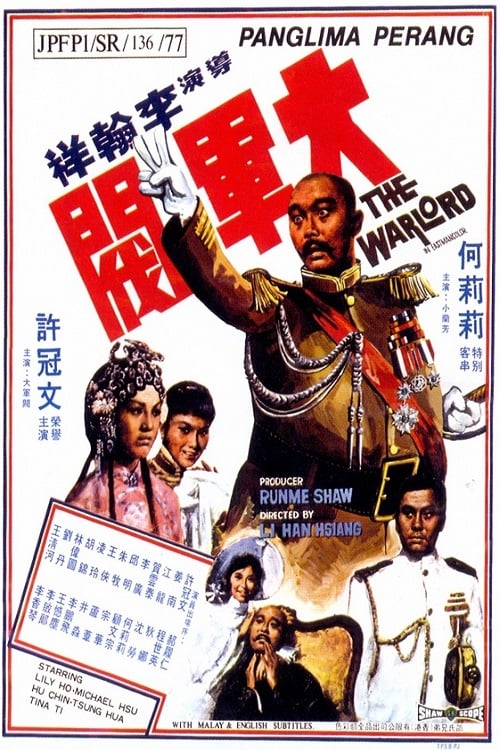
1972
Director
Li Han-Hsiang
Runtime
91 minutes
Average Rating
No ratings yetNew Showbiz Analysis
The Warlord is a culturally specific comedy that leans heavily into traditional masculine archetypes. While it lacks modern characters who reflect more than one aspect of diversity regarding gender and LGBTQ+ identities, it provides a grounded look at historical social shifts. The film succeeds in offering an authentic regional perspective, avoiding the whitewashing often seen in Western-centric productions. However, the power dynamics remain strictly patriarchal, with women relegated to supportive or aesthetic roles. Ultimately, the film's strength lies in its critique of institutional stability. By portraying the fluid ethics of a rising warlord, it challenges the idea of a singular, righteous authority.
Category Breakdown
The film does not include any LGBTQ+ characters or representations of non-straight relationships. The social structure focuses entirely on traditional romantic and gendered roles typical of early 20th-century period pieces.
The story is driven by masculine political maneuvering and martial prowess. Female characters appear to enhance the film's aesthetic appeal but play secondary roles with little influence over the plot.
The cast is ethnically uniform, reflecting the specific cultural context of 1972 Hong Kong cinema. It offers a culturally authentic representation of the era without Western-centric casting biases.
The story explores moral relativism through a bandit's rise to power. It critiques the stability of institutions by showing the volatility of authority during historical transitions.
There are no characters with visible or invisible disabilities serving as central plot devices or receiving specific narrative scrutiny.
Present on Screen
Limited or Absent
Official Synopsis
No list of the screen's comic geniuses would be complete without Michael Hui Kwun-man. He created a hilarious and lovable comic persona that was both uniquely Asian but also universally beloved. This, his first film, not only showcased his incomparable sense of humor but revolutionized Hong Kong comedy. Evoking Chaplin, he plays a warlord in early 20th Century China, but makes the role his own with both laughs and some of the sexiest ladies on the Shaw Brothers lot.
2016
1992
1979
1992
1975
1989
1958

2005
No reviews yet. Be the first to share your thoughts on this movie!
Use the rating form above to leave a star rating and optional review.