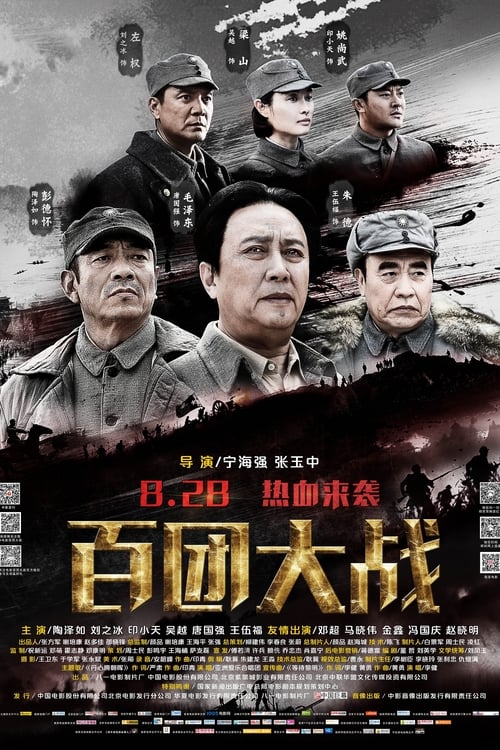
The Hundred Regiments Offensive
2015
No user ratings available yet
Representation score: 4.8 out of 10

Representation Score
Limited
2005
Director
Feng Xiaoning
Runtime
87 minutes
Average Rating
No ratings yetNew Showbiz Analysis
Hands Up! is a historical comedy-drama that prioritizes a specific cultural and temporal lens. It succeeds in providing a cohesive and authentic ethnic narrative by centering the Chinese experience during a period of intense national crisis. However, the film lacks breadth in exploring modern identity-based hierarchies such as LGBTQ+ or disability representation. The narrative architecture is built around national and social survival, which naturally limits its overall diversity profile.
Category Breakdown
The film does not include any LGBTQ+ characters or narratives. It focuses on wartime survival and socio-political tensions during the Japanese invasion.
The plot centers on traditional masculine archetypes of protection and sacrifice. While there are some comedic elements that offer slight subversions, the narrative aligns with conventional gendered depictions of strength.
The film provides an authentic representation of the Chinese experience during a national crisis. It centers the indigenous perspective and local demographic against an external invading force.
The narrative explores survival and social maneuvering amidst systemic upheaval. It critiques foreign imperialism through the lens of grassroots ability to act and historical reality.
There is no documented inclusion of characters with visible or invisible disabilities. The focus remains on the broader socio-political struggle of the village inhabitants.
Present on Screen
Limited or Absent
Official Synopsis
A Chinese peasant tries to protect a student from being caught during the Japanese invasion of the village.
2015
2007

2010

2020
1983
1990
1991

2013
No reviews yet. Be the first to share your thoughts on this movie!
Use the rating form above to leave a star rating and optional review.