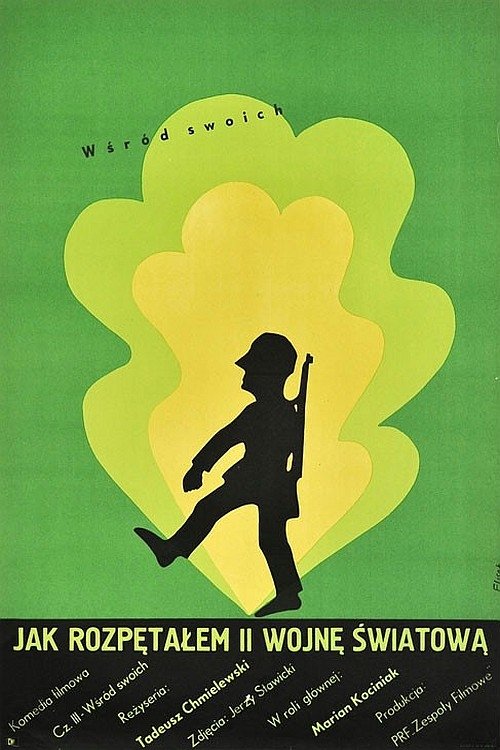
How I Unleashed World War II, Part III: Among Friends
1970
No user ratings available yet
Representation score: 4.0 out of 10
Representation Score
Fair
1970
Director
Tadeusz Chmielewski
Runtime
86 minutes
Average Rating
No ratings yetNew Showbiz Analysis
This historical satire offers a unique perspective by deconstructing the gravity of World War II through absurdity. Rather than celebrating military heroism, it uses a 'comedy of errors' to highlight the chaotic nature of geopolitical power and human error. While the film succeeds in challenging traditional patriotic clichés, it remains limited by its historical setting and era of production. The narrative is heavily centered on a male-dominated military experience, leaving little room for diverse representation. Ultimately, the film's strength lies in its narrative structure, which favors moral relativism over the 'great man' theory of history, even if it lacks modern diversity markers.
Category Breakdown
The film does not explicitly depict any LGBTQ+ characters or narratives. It focuses on the individual experiences of soldiers within the assumed heterosexual norms of 1970s Polish comedy.
The story centers on Dolas, a male protagonist navigating male-dominated military and prisoner-of-war environments. It challenges the stoic soldier stereotype through comedy but lacks strong female characters.
Representation is defined by the ethnic tensions of the 1939 German invasion of Poland. The cast does not appear to include a diverse mix of ethnicities that would disrupt the historical status quo.
The film disrupts Western heroic narratives by framing global conflict through accidental incompetence. It favors a skeptical view of institutional authority over traditional wartime patriotism.
There is no discernible evidence regarding the portrayal of physical or neurodivergent disabilities within the provided narrative.
Present on Screen
Limited or Absent
Official Synopsis
On the night of August 31, 1939, Dolas, from a platoon reinforcing a train station on the German border, falls asleep in a train car and unknowingly crosses into Germany. The moment he shoots a German, who he thinks is a saboteur, the German invasion of Poland begins, and Dolas is convinced it was his fault. He is taken to Stalag POW camp, the first destination in his odyssey around Europe.
1970
1973
1970
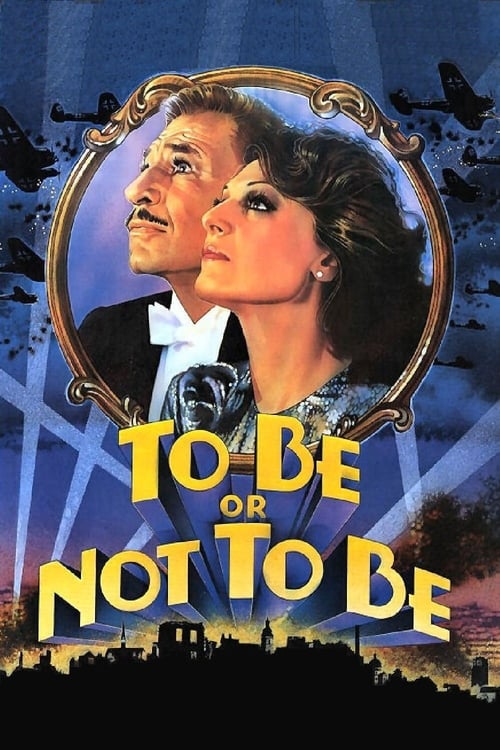
1983
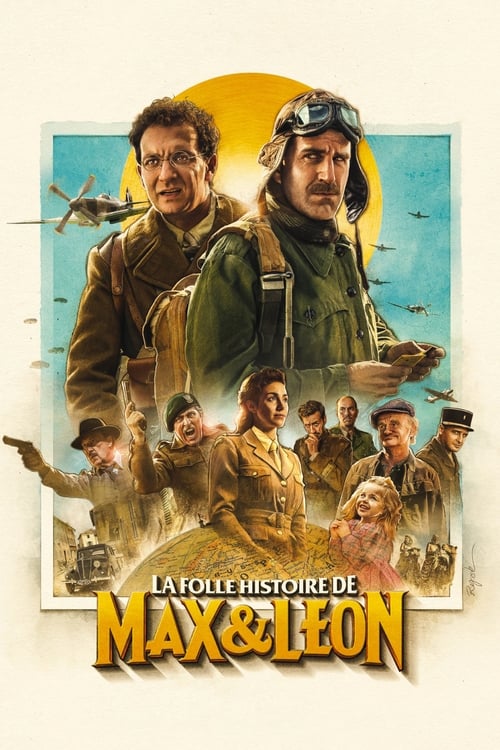
2016
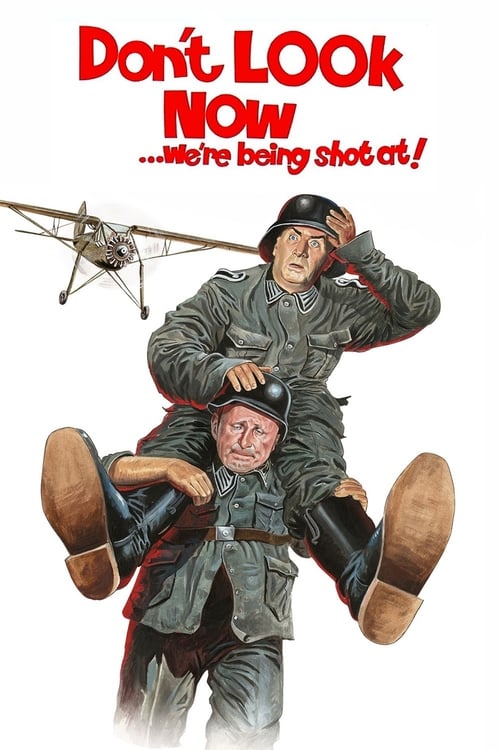
1966

1973
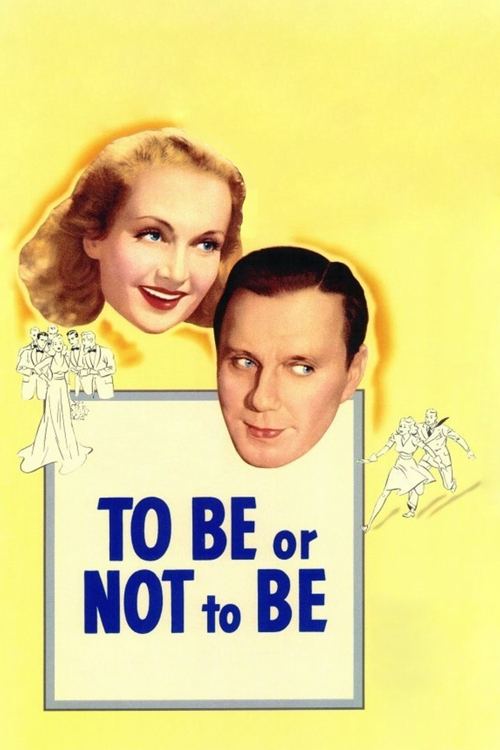
1942
No reviews yet. Be the first to share your thoughts on this movie!
Use the rating form above to leave a star rating and optional review.