Heartland
1981
No user ratings available yet
Representation score: 2.3 out of 10
Representation Score
Minimal
1953
NRDirector
Robert Wise
Runtime
101 minutes
Average Rating
No ratings yetNew Showbiz Analysis
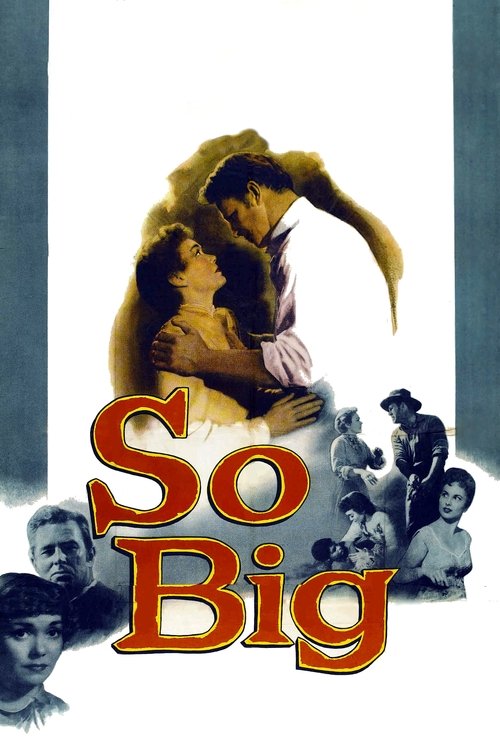
So Big is a traditional period drama that focuses on historical accuracy and conventional narrative structures. It captures the shift from agrarian life to established social hierarchies in the late 19th-century Midwest. While the film offers substantial character development for its female lead, it lacks complexity in representing multiple aspects of diversity. The storytelling aligns closely with the social and demographic norms of its time. The production primarily serves to document American social and economic development through a traditional, mid-century perspective.
Category Breakdown
The film does not feature any LGBTQ+ characters or non-straight relationships. Romantic storylines center around traditional marriage and family ties.
Jane Wyman’s character shows strong independence and resilience after her husband's death. The narrative highlights her maternal influence and personal strength.
The cast is mostly white, reflecting the Dutch immigrant community of the setting. There is no effort to include diverse racial backgrounds.
The story emphasizes traditional Western values such as land ownership and industrial progress. Religion and social order play a stabilizing role without challenging institutions.
There are no prominent depictions of physical or neurodivergent disabilities. No characters with disabilities are central to the plot.
Present on Screen
Limited or Absent
Official Synopsis
A girl of wealth comes to a Dutch community outside Chicago as a schoolteacher, and while there falls in love with a poor but big-hearted farmer.
1981

1930
2011
1946
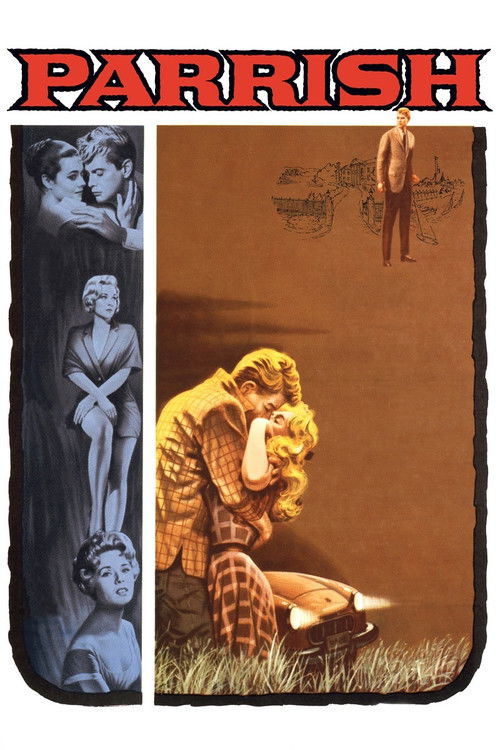
1961
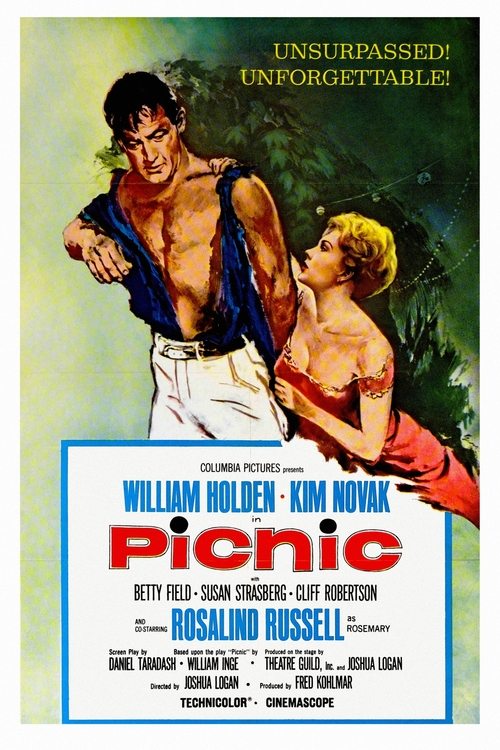
1955
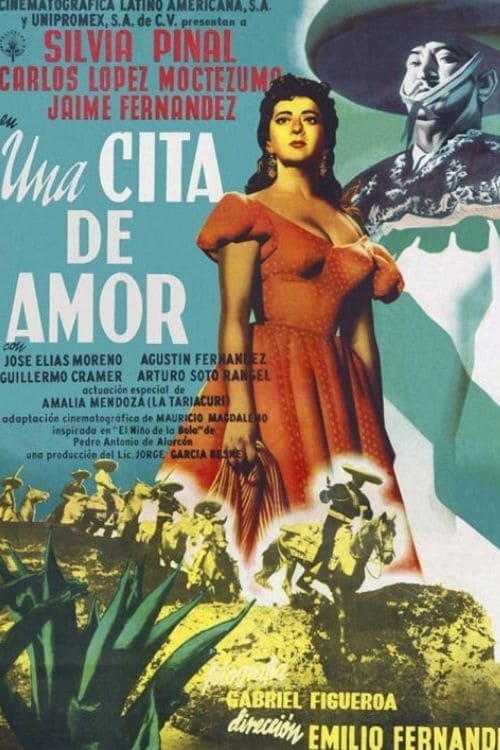
1958

1960
No reviews yet. Be the first to share your thoughts on this movie!
Use the rating form above to leave a star rating and optional review.