Love, Loot and Crash
1915
No user ratings available yet
Representation score: 1.1 out of 10
No Poster Available
Representation Score
Minimal
1927
Director
Norman Taurog
Average Rating
No ratings yetNew Showbiz Analysis
Howdy Duke is a classic product of its era, relying heavily on the mistaken identity clichés of 1920s comedy. The film emphasizes class-based slapstick and male-driven deception, focusing on the friction between aristocracy and the working class. While the film provides humor through the absurdity of high-society etiquette, it does so without challenging the underlying social or demographic status quo. The characters and settings reflect a narrow, homogeneous worldview typical of early studio era productions. Ultimately, the film serves as a lighthearted genre piece that reinforces traditional gender roles and social hierarchies.
Category Breakdown
The film doesn't include any LGBTQ+ characters or stories that challenge the idea that everyone is straight or cisgender. The plot follows a traditional romantic storyline from the 1920s.
The story focuses mainly on male characters and their social interactions. Women appear mostly as passive objects of protection or plot catalysts rather than active agents.
The narrative centers on class distinctions within a homogeneous, Western European setting. There is no evidence of racial or ethnic diversity among the characters.
The comedy uses class-based slapstick to mock high-society etiquette. It operates within established social hierarchies without offering a critical look at Western institutions.
There is no mention of characters with visible or invisible disabilities. No representation of disability is shown in the film's narrative.
Present on Screen
Limited or Absent
Official Synopsis
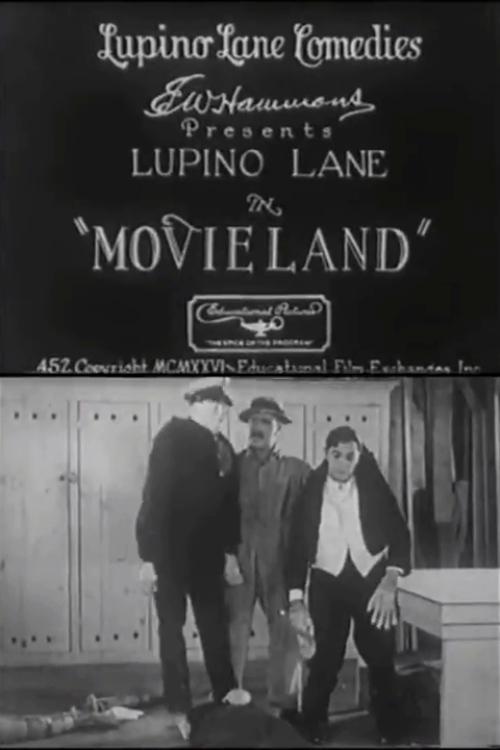
Lane plays two roles: Grand Duke Algy Horseradish De Ketchup of Worcestershire and Newsboy White. The newsboy is hired by Elmer Éclair (played by Lane's younger brother, Walter Lupino) to impersonate the Duke for unstated reasons, and to attend a house party at the Smalls (a last name that leads to several puns) in the Duke's stead. Éclair warns the newsboy to stay away from the girl, as she is his finance. The newsboy is somewhat at sea at the elaborate dinner being confused by the multitude of silverware. He begins to tell a story about lion hunting and there is further mayhem with flying food.
1915
1926
1918

1923
1921
1927
1926
1936
No reviews yet. Be the first to share your thoughts on this movie!
Use the rating form above to leave a star rating and optional review.