
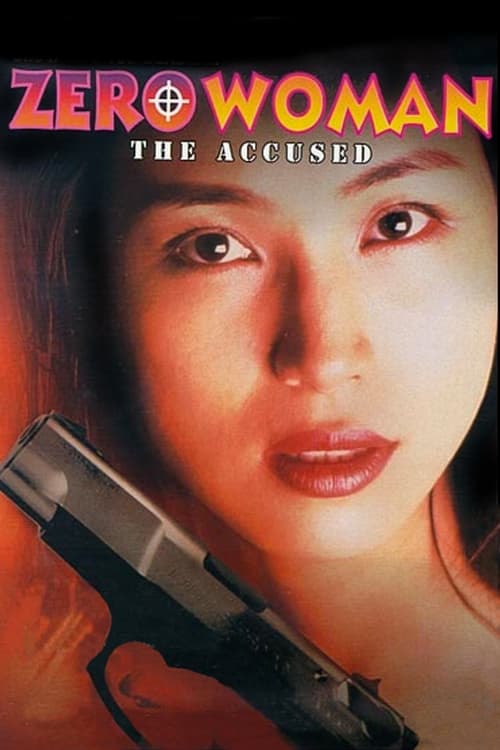
Zero Woman: Assassin Lovers
1996
No user ratings available yet
Representation score: 5.4 out of 10
Representation Score
Fair
1997
RDirector
Daisuke Gotô
Runtime
77 minutes
Average Rating
No ratings yetNew Showbiz Analysis
Zero Woman: The Accused is a sophisticated thriller that explores the tension between state authority and individual identity. It moves beyond binary morality by centering characters on the fringes of social acceptability. The film's strength lies in its engagement with LGBTQ+ subcultures and its subversion of the standard law-and-order cliché. By framing the protagonist's conflict as a choice between institutional loyalty and empathy for the underrepresented, it achieves a postmodern depth. While the film lacks significant racial diversity, it compensates with a complex exploration of social belonging and moral relativism.
Category Breakdown
The film centers a plot catalyst within LGBTQ+ subcultures, particularly gay bars, challenging traditional action hero archetypes through queer-adjacent social circles.
Rei subverts traditional hierarchies by serving as the primary agent of violence and protection, showcasing superior tactical skills and professional competence within a high-stakes police division.
The narrative operates within a relatively homogeneous Japanese social setting, focusing on urban subcultures and social strata rather than a broad spectrum of ethnic diversity.
The story critiques the rigidity of institutional authority by forcing a choice between state duty and personal loyalty, suggesting a nuanced, situational approach to morality.
The plot involves physical trauma and violence but does not provide specific ability to act or narrative purpose to neurodivergence or permanent disability.
Present on Screen
Limited or Absent
Official Synopsis
Rei, the deadly but reluctant assassin for the Zero Division of the Tokyo Police Department, befriends a young man after she sees him cruising a gay bar looking for johns. After he gets beaten up by a group of street thugs, she takes him in to live with her. When a series of vicious murders takes place, she begins to suspect that the killer may actually be her friend taking revenge on everyone who has abused him. Will she uphold her duty to the police, or protect her only friend?
1996
1998

1998

1994

1997

1999
1973

1972
No reviews yet. Be the first to share your thoughts on this movie!
Use the rating form above to leave a star rating and optional review.