
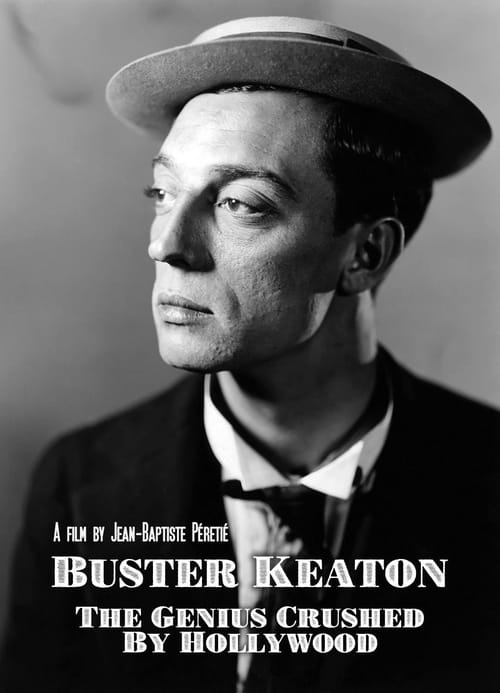
So Funny It Hurt: Buster Keaton & MGM
2004
No user ratings available yet
Representation score: 3.5 out of 10
Representation Score
Fair
2016
Director
Jean-Baptiste Péretié
Runtime
52 minutes
Average Rating
No ratings yetNew Showbiz Analysis
The documentary primarily serves as a critique of institutional power rather than a study in multi-layered identity. It deconstructs the 'Hollywood Dream' by framing the studio system as a corrupting entity. While the film lacks engagement with modern identity politics or diverse casting, its narrative structure challenges traditional capitalist narratives of the early 20th-century film industry. It prioritizes the systemic deconstruction of a creative icon over identity-driven storytelling.
Category Breakdown
The film centers on the biographical journey of Buster Keaton. There is no explicit depiction of LGBTQ+ identities or stories that challenge the assumption that everyone is straight or cisgender.
The narrative focuses on the masculine experience of a fallen idol. It examines patriarchal Hollywood hierarchies but lacks a focus on women's ability to drive the story or subverting gender roles.
The documentary reflects the historical homogeneity of the late 1920s and early 1930s. It lacks evidence of diverse performers or casting from that era.
The film critiques traditional Western institutions by framing the studio system as a destructive force. It disrupts the celebratory mythos of American industrial success through systemic critique.
The documentary addresses the psychological and physical toll of professional collapse, specifically Keaton's alcoholism. It treats these realities as biographical facts rather than inspirational stories.
Present on Screen
Limited or Absent
Official Synopsis
In 1926, Buster Keaton was at the peak of his glory and wealth. By 1933, he had reached rock bottom. How, in the space of a few years, did this uncontested genius of silent films, go from the status of being a widely-worshipped star to an alcoholic and solitary fallen idol? With a spotlight on the 7 years during which his life changed, using extracts of Keaton’s films as magnifying mirrors, the documentary recounts the dramatic life of this creative genius and the Hollywood studios.
2004

2018

1989
1992

2003
2008
1965
2021
No reviews yet. Be the first to share your thoughts on this movie!
Use the rating form above to leave a star rating and optional review.