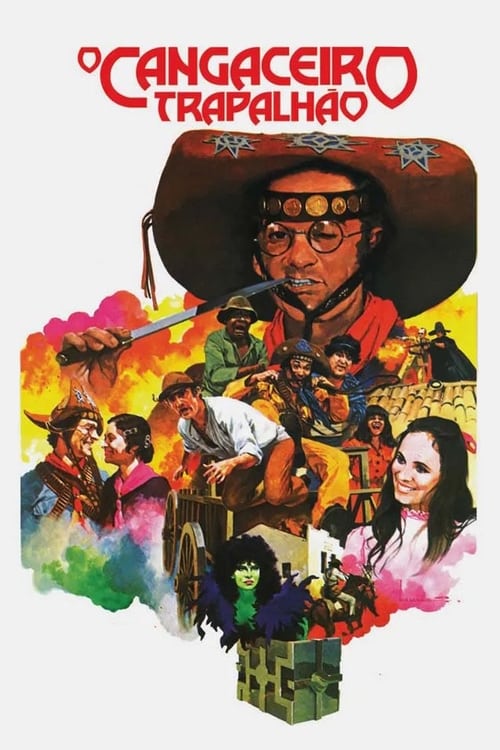
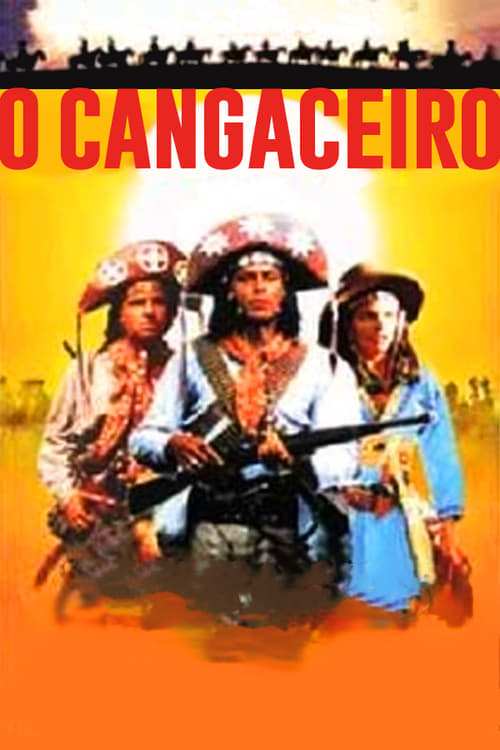
O Cangaceiro Trapalhão
1983
No user ratings available yet
Representation score: 3.8 out of 10
Representation Score
Fair
1997
Director
Anibal Massaini Neto
Runtime
120 minutes
Average Rating
No ratings yetNew Showbiz Analysis
O Cangaceiro primarily serves as a historical reconstruction and homage to the bandit genre. It emphasizes the regional identity of Northeastern Brazil, offering a localized perspective that avoids Western-centric clichés. While the film provides essential regional representation, it remains tied to the traditional social hierarchies of the 1930s. The narrative lacks explicit characters who reflect more than one aspect of diversity or a critique of the era's social structures. Ultimately, the work prioritizes historical realism and traditional bandit archetypes over progressive representation or the subversion of contemporary social hierarchies.
Category Breakdown
The film focuses on traditional banditry and the relationship between Captain Galdino and Maria Bonita. There is no indication of non-straight relationships or gender identities outside the norm.
Maria Bonita plays a significant role alongside the Captain, suggesting a move away from purely patriarchal narratives. However, the story may still follow traditional gender power dynamics.
The story delves into the racial and class-based complexities of the Brazilian sertão region. It centers on non-Anglo-Saxon identities, challenging Western-centric cinematic conventions.
The film examines a period marked by social upheaval and lawlessness. It portrays outlaws through the lens of regional rebellion, avoiding a singular, state-sanctioned morality.
There is no evident portrayal of physical or neurodivergent disabilities in the narrative.
Present on Screen
Limited or Absent
Official Synopsis
This is a remake of Brazil's first international success in the cinema world. Just as its same name predecessor was, this film is a fictional version of the story of the "cangaceiros." These were bandits who sacked towns and spread terror throughout Northeastern Brazil in the 1930s. This group of outlaws is led by Captain Galdino and his wife Maria Bonita.
1983

1964
1953
1987
2015
1997

1969
1966
No reviews yet. Be the first to share your thoughts on this movie!
Use the rating form above to leave a star rating and optional review.