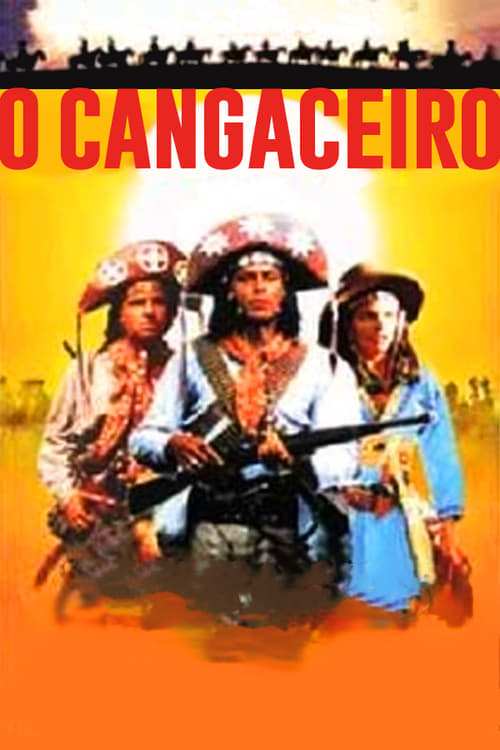
O Cangaceiro
1997
No user ratings available yet
Representation score: 4.3 out of 10
Representation Score
Good
2015
Director
Paulo Afonso Grisolli, Luiz Antônio Piá
Runtime
112 minutes
Average Rating
No ratings yetNew Showbiz Analysis
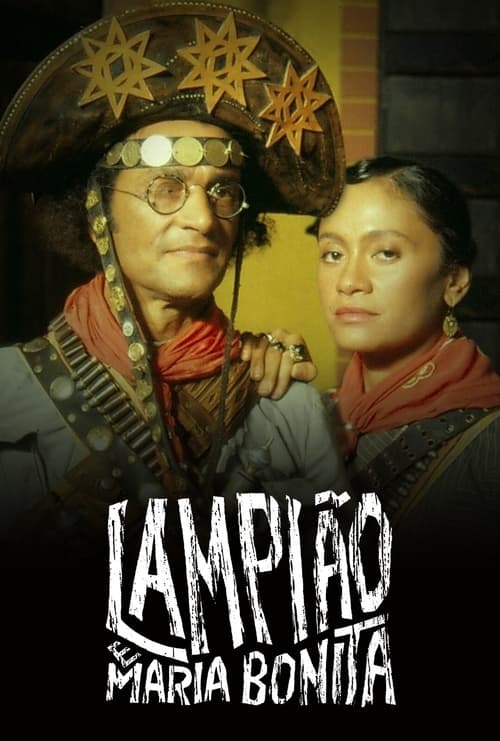
The film succeeds by highlighting the perspectives of those outside dominant institutional frameworks. It uses the historical Cangaço movement to critique systemic oppression and social hierarchies. By maintaining regional authenticity and subverting traditional gender roles, the film offers a sophisticated look at individual ability to act. Maria Bonita’s character is especially powerful in disrupting conventional female passivity. While the film lacks representation of LGBTQ+ identities and does not feature characters with disabilities, its commitment to socio-ethnic realism and cultural critique provides a robust and non-traditional storytelling experience.
Category Breakdown
The film focuses on a partnership between Lampião and Maria Bonita, which is centered around straight relationships. There is no evidence of same-sex relationships or non-binary identities.
Maria Bonita stands out by challenging traditional gender roles. Her journey from a domestic life to active banditry highlights her independence and autonomy against patriarchal structures.
The film maintains cultural authenticity by accurately representing the Afro-Brazilian and mixed-race demographics of the Northeast region. It avoids the whitewashing common in period dramas.
The narrative critiques systemic inequality through the lens of underrepresented groups, focusing on the Cangaço movement as a critique of state authority and the landed oligarchy.
There is no focus on characters with visible or invisible disabilities in this historical drama.
Present on Screen
Limited or Absent
1997

1964
1997
2015
1983
1953
2007
2009
No reviews yet. Be the first to share your thoughts on this movie!
Use the rating form above to leave a star rating and optional review.