
This Changes Everything
2015
No user ratings available yet
Representation score: 8.7 out of 10
Representation Score
Good
2012
Director
Amy Miller
Runtime
84 minutes
Average Rating
No ratings yetNew Showbiz Analysis
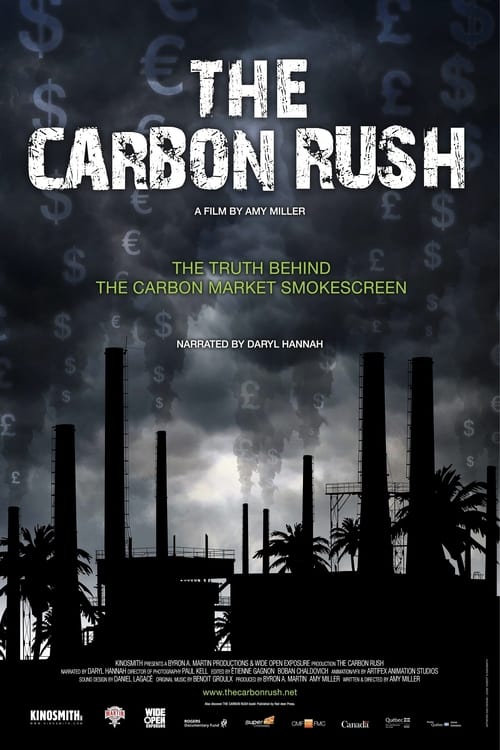
The Carbon Rush excels at exposing the friction between global capital and local survival. Its global scope ensures that the impact of industrial decisions on underrepresented populations remains the central focus. By centering the voices of those in economic crisis across four continents, the film avoids a purely Western-centric perspective. It effectively uses a global lens to expose how international economic frameworks disproportionately affect the Global South. While the film provides a sophisticated critique of systemic inequality, it lacks specific data regarding individual identity politics or disability representation. Its strength lies in systemic interrogation rather than individual character studies.
Category Breakdown
The film focuses on global environmental policy and macroeconomic systems. There is no explicit evidence of LGBTQ+ character arcs or narratives within the documentary.
The narrative shifts focus from male-dominated corporate leadership to intimate portraits of affected communities. This disrupts traditional hierarchies, though specific gendered roles are not explicitly detailed.
Spanning four continents, the film centers human populations in economic crisis. It grants a significant role in driving the story to non-Western communities, positioning them as primary subjects rather than passive observers.
The film critiques Western-led carbon credit systems as deceptive and oppressive. It prioritizes an appeal to conscience over market stability, challenging traditional Western dominance and capitalist structures.
There is no specific evidence regarding the portrayal of physical or neurodivergent disabilities in this work.
Present on Screen
Limited or Absent
Official Synopsis
Around the world, multinationals are taking advantage of carbon credits to allow them to burn their waste. Beneath the system’s environment-friendly veneer, entire ecosystems are under siege, human populations are in economic crisis, and greenhouse gases keep spewing into the atmosphere. Three years after making MYTHS FOR PROFIT, activist filmmaker Amy Miller follows up with this ambitious documentary (filmed on four continents) – a bold, highly intelligent work on the dark underbelly of green business. Even while working on a grand scale, she creates intimate portraits of numerous communities, never forgetting that global issues always affect individual lives. An essential appeal to conscience.
2015

2015
2009
2010
2019
2007
2021

2020
No reviews yet. Be the first to share your thoughts on this movie!
Use the rating form above to leave a star rating and optional review.