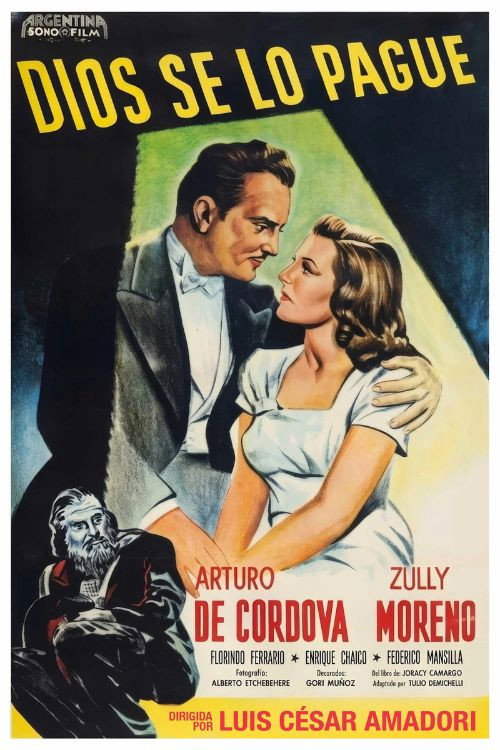
God Bless You
1948
No user ratings available yet
Representation score: 4.0 out of 10

Representation Score
Limited
1953
Director
Claudio Gora
Runtime
91 minutes
Average Rating
No ratings yetNew Showbiz Analysis
Claudio Gora’s drama serves as a mid-century character study centered on class performance and social deception. Its strength lies in critiquing the superficiality of social status and socioeconomic hierarchies. However, the film remains within the traditional demographic boundaries of 1950s Italian cinema, lacking visible representation of underrepresented identities, such as LGBTQ+ characters and diverse ethnic backgrounds. Ultimately, the film’s progressive value is found in its psychological depth rather than overt identity politics, challenging the stability of social identity through its central deception.
Category Breakdown
The film does not show any characters with LGBTQ+ identities or provide narratives that question the assumption that everyone is straight or cisgender.
The story focuses on a male protagonist's struggle with his social identity. While there is no explicit focus on women's roles, the narrative revolves around the psychological tension of the male character.
Given its 1953 Italian production, the film likely reflects the demographic homogeneity of its time. It operates within a conventional Eurocentric framework.
The story moderately challenges the stability of class-based institutions through the protagonist's deception, highlighting the performative nature of wealth and social status.
There are no characters with visible or invisible disabilities mentioned in the film's narrative.
Present on Screen
Limited or Absent
Official Synopsis
Massimo pretends to be rich but he's actually poor.
1948

1946

1958

1957

1969
1937

1963
1936
No reviews yet. Be the first to share your thoughts on this movie!
Use the rating form above to leave a star rating and optional review.