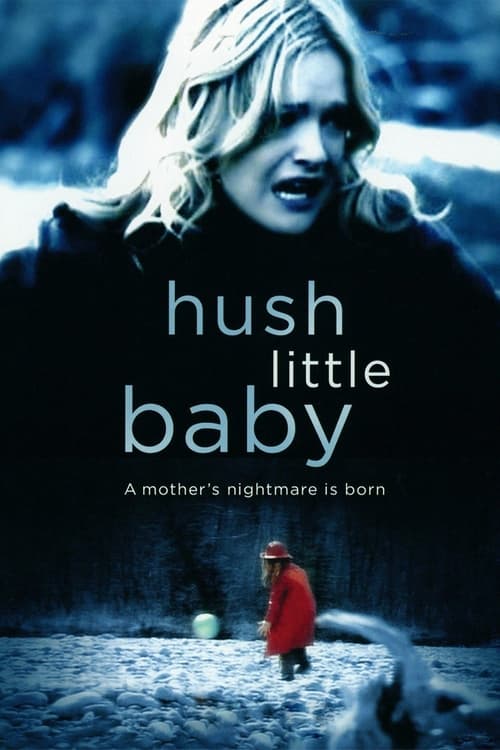
Hush Little Baby
2007
No user ratings available yet
Representation score: 4.2 out of 10
Representation Score
Fair
2008
NRDirector
George Mendeluk
Runtime
85 minutes
Average Rating
No ratings yetNew Showbiz Analysis
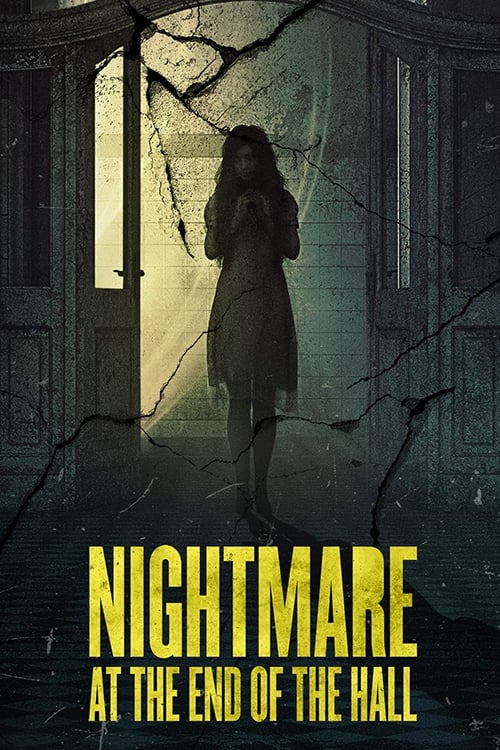
Nightmare at the End of the Hall centers its perspective through a female protagonist of color in a professional role, offering a baseline of representation. This inclusion is the film's primary strength regarding diversity. However, the narrative relies heavily on conventional thriller clichés. The focus on the protagonist's psychological instability risks reinforcing gendered stereotypes of fragility and uses mental health as a suspense mechanism rather than a nuanced exploration. Ultimately, the film operates within standard genre boundaries. It lacks the systemic critique or diverse ensemble necessary to move beyond a traditional, Western-centric storytelling model.
Category Breakdown
The film does not explicitly include LGBTQ+ characters or non-cisgender identities. The story revolves around psychological haunting and past trauma within a traditional framework.
Courtney Snow provides a female-led perspective as an author and educator. However, the plot risks relying on clichés of female fragility by focusing on her potential mental instability.
The protagonist is a person of color in a professional role. While this offers meaningful representation, there is no indication of a multicultural cast or multi-layered depth.
The story follows a standard psychological thriller trajectory. It lacks evidence of systemic critique or themes that challenge traditional Western or institutional norms.
Mental health is a central theme through the protagonist's trauma and potential loss of sanity. There is a risk of using neurodivergence merely as a plot device.
Present on Screen
Limited or Absent
Official Synopsis
Courtney Snow, an author with writer's block, still haunted by the suicide of her best friend while they were in prep school, finds herself teaching at the very same school while trying to get back on her feet. She encounters a young student, Laurel, who seems in every way to be the reincarnation of her best friend from years ago. Laurel seems to know things about Courtney that only dead friend would have known. Is she losing her mind or is it all a cruel hoax?
2007

2004
2008
2009
2022
2000
2009
2005
No reviews yet. Be the first to share your thoughts on this movie!
Use the rating form above to leave a star rating and optional review.