
Forty Little Mothers
1936
No user ratings available yet
Representation score: 4.3 out of 10
Representation Score
Fair
1934
Director
Eduard Ioganson
Runtime
68 minutes
Average Rating
No ratings yetNew Showbiz Analysis
The film explores the dismantling of the traditional nuclear family by replacing it with a communal living space for architects. This shift challenges the established social hierarchy in favor of collective values. While the film successfully subverts conventional domestic archetypes, it remains constrained by the social norms of its time. It lacks explicit representation of diverse identities, resulting in a moderate overall assessment. Ultimately, the film's strength lies in its structural emphasis on social stability, prioritizing communal utility over individualistic or religious moral frameworks.
Category Breakdown
The film doesn't explicitly show queer identities or non-straight relationships. However, the breakdown of the marriage between Sergei and Natasha hints at the possibility of non-traditional living arrangements.
The story challenges traditional patriarchal roles by showing a protagonist who leaves his wife for a communal living situation. This shifts the focus from a single male leader to a professional team.
The narrative seems to reflect a uniform ethnic makeup typical of 1934 Soviet cinema. There is no indication of ethnic blending or diverse racial casting in the story.
The film highlights communal responsibility over traditional religious or capitalist family structures. It emphasizes collective identity through the protagonist's life among a group of architects.
There is no mention of characters with visible or invisible disabilities in the narrative.
Present on Screen
Limited or Absent
Official Synopsis
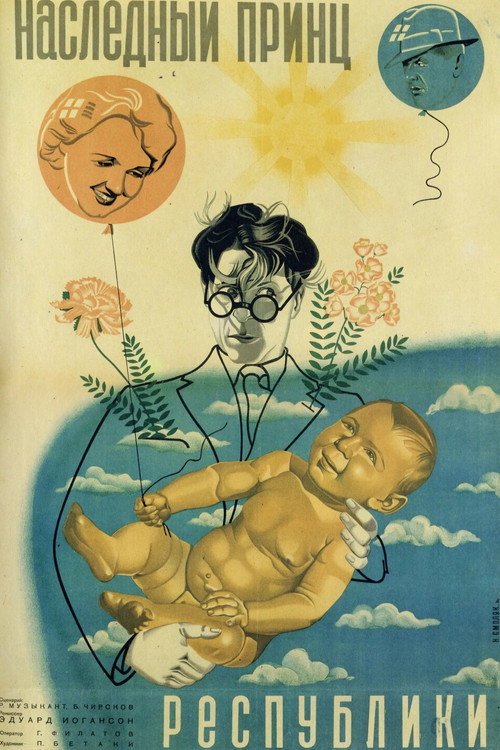
After news of the future birth of a child, Sergei split from his wife, Natasha, and settled in the company of young architects, who occupied a room in a big house. As a result of a chain of unforeseen events, brought by one of the tenants found a child, Sergei finds a newborn son. Friends are doing everything possible to find a lost mother, but Sergei does not disclose their affiliation and tries to give the baby the wrong hands.
1936
1985

1932

1983
1949

1921

1926
1979
No reviews yet. Be the first to share your thoughts on this movie!
Use the rating form above to leave a star rating and optional review.