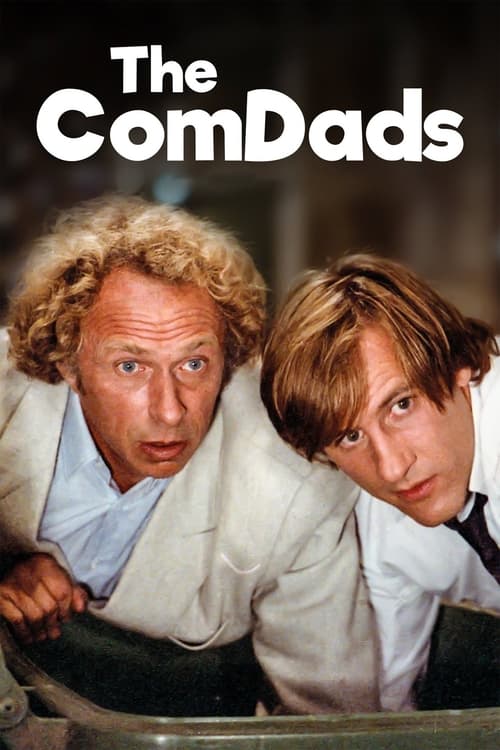
The ComDads
1983
No user ratings available yet
Representation score: 1.9 out of 10

Representation Score
Limited
2012
Director
Martin Valente
Runtime
99 minutes
Average Rating
No ratings yetNew Showbiz Analysis
One Day My Father Will Come operates within a traditional comedic framework, using established social archetypes to drive its plot. The conflict is primarily rooted in class struggle between a wealthy snob and a poor alcoholic, rather than addressing multi-layered identity issues. The film relies on conventional family structures and male-centric social roles. While the female protagonist initiates the journey, the narrative engine is fueled by the friction between different socioeconomic levels. Ultimately, the work prioritizes situational comedy and class-based clichés over disrupting social norms or incorporating diverse identity-driven narratives.
Category Breakdown
The film does not include any explicit LGBTQ+ characters or non-cisgender identities. The story centers on a biological father-son relationship, reflecting a traditional approach to family structures.
Chloe plays a significant role in driving the plot, but the main conflict revolves around male-centric social roles. The story highlights the dynamics between two male characters rather than challenging traditional gender hierarchies.
The narrative emphasizes socioeconomic differences over racial or ethnic diversity. It relies on class-based clichés that often default to a homogeneous cast in traditional European comedies.
The story uses a classic clash of classes motif to drive its comedy. While it explores social strata, it focuses on traditional family structures and lineage.
There is no information regarding the portrayal of physical disabilities, mental health conditions, or neurodivergent perspectives within the film.
Present on Screen
Limited or Absent
Official Synopsis
Bernard - advanced rich snob, Gustave - the poor prodigal alcoholic. Both are absolutely sure that they are the fathers of Chloe and go along on her quest. Imagine their surprise when it turns out that Chloe's father's place is already occupied by an imposter...
1983

2011

2017
2017
2015
1966
1988
2016
No reviews yet. Be the first to share your thoughts on this movie!
Use the rating form above to leave a star rating and optional review.