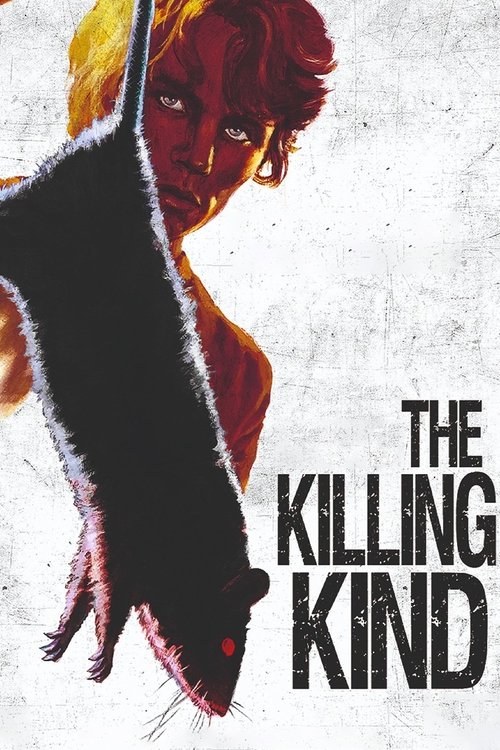
The Killing Kind
1974
No user ratings available yet
Representation score: 0.6 out of 10
Representation Score
Fair
1974
XDirector
Jaacov Jaacovi
Runtime
87 minutes
Average Rating
No ratings yetNew Showbiz Analysis
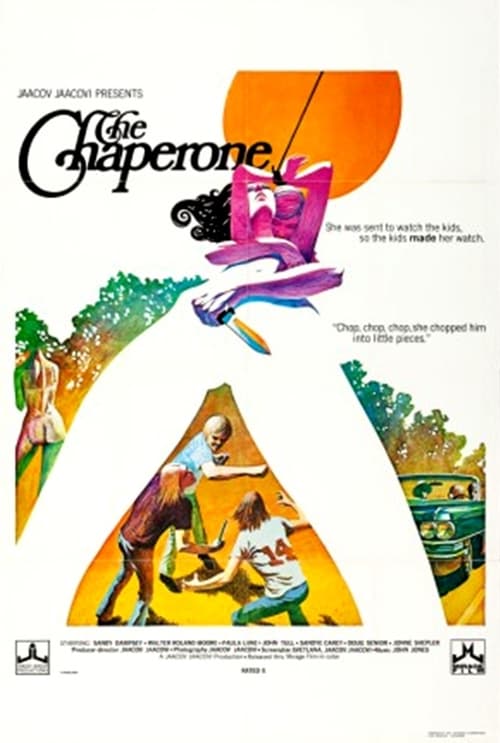
The Chaperone serves as a critical look at the tension between institutional repression and the liberatory movements of the 1970s. Its narrative strength lies in its critique of conservative social structures and the subversion of traditional authority figures. However, the film lacks representation of LGBTQ+ identities and racial diversity. It adheres to the standard casting conventions of the time, focusing primarily on the conflict between counter-culture and social conservatism. Ultimately, while the film does not offer broad demographic representation, it effectively studies moral relativism and the rejection of established social norms.
Category Breakdown
The film does not explicitly include LGBTQ+ characters or explore non-straight relationships. While themes of sexual politics and liberation are present, the specific orientations of characters remain unspecified.
The story challenges traditional female roles by contrasting a repressive chaperone with liberated young women. This highlights the critique of social conditioning and the influence of moralistic authority figures.
There is no indication of diverse casting or intentional race-bending. The film likely follows the homogeneous casting practices typical of 1970s thriller films.
The narrative examines the breakdown of Western institutions by focusing on counter-culture values. It critiques mid-century social conservatism through the tension between hippies and repressive authority figures.
The film does not feature any characters with physical or neurodivergent disabilities.
Present on Screen
Limited or Absent
Official Synopsis
Extremely rare roughie in the vein of LAST HOUSE ON THE LEFT. A group of young hippies go camping accompanied by an uptight, sexually repressed, middle-aged chaperone. The chaperone is envious of the youngster's liberated ways and doesn't trust one of the young men. Then the group is plagued by a series of vicious knife murders. Directed by Israeli-born Jourdan Alexander (as "Jaacov Jaavoci") and written by Svetlana, both of whom would make a name for themselves in hardcore porn, this one's nearly impossible to track down nowadays. The only known home video release occurred in Australia on the King of Video / Video Budget label and their release is reduced down to just 70 minutes from the original 87.
1974
1972
1971

1968
1980
1975
1968
1986
No reviews yet. Be the first to share your thoughts on this movie!
Use the rating form above to leave a star rating and optional review.