Flowers of Shanghai
1998
No user ratings available yet
Representation score: 6.0 out of 10
Representation Score
Fair
2003
Director
Andrew Y-S Cheng
Runtime
86 minutes
Average Rating
No ratings yetNew Showbiz Analysis
Andrew Y-S Cheng’s film serves as a gritty social commentary on a city in decline. By focusing on the margins of society, the narrative avoids sanitized or overly moralistic portrayals. It prioritizes social realism to document systemic decay and the tension between individual control and economic pressures. The film successfully challenges mainstream cinematic clichés, particularly those related to gender and cultural identity. It moves away from patriarchal structures and Western-centric viewpoints to offer a nuanced look at class and geography within Shanghai. However, the film’s focus on specific underrepresented groups does not always lead to explicit representations of identity. While the setting suggests certain intersections of sexuality, the absence of confirmed character-specific LGBTQ+ identities limits the depth of its LGBTQ+ inclusion.
Category Breakdown
The film examines the lives of sex-trade workers, many of whom may also identify as LGBTQ+. However, specific depictions of same-sex relationships or non-cisgender identities are not clearly shown.
The movie challenges traditional gender roles by focusing on female sex workers and their economic hardships. It avoids idealized feminine stereotypes by highlighting older women dealing with societal decay.
The film provides a localized, non-Western perspective on urban decay in a Chinese city, specifically Shanghai. It focuses on the internal social dynamics rather than presenting a Western viewpoint.
The story critiques the breakdown of traditional social stability and the negative impacts of rapid capitalism. It presents a postmodern, non-singular moral framework through the lens of the sex trade.
There is no explicit depiction of physical or neurodivergent disabilities in the film.
Present on Screen
Limited or Absent
Official Synopsis
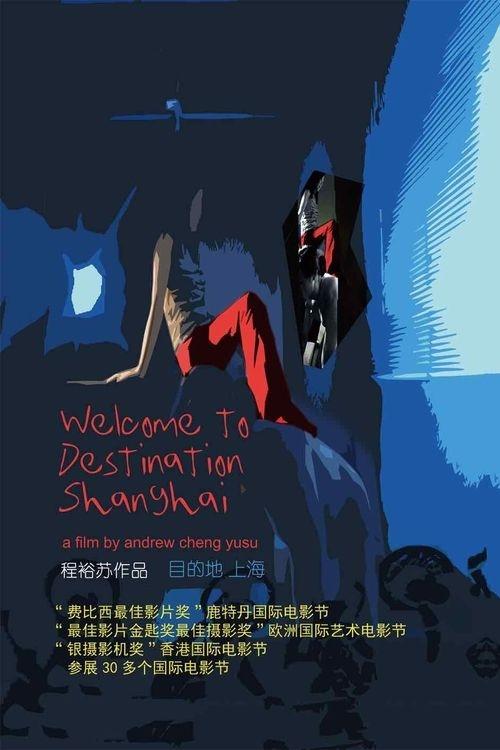
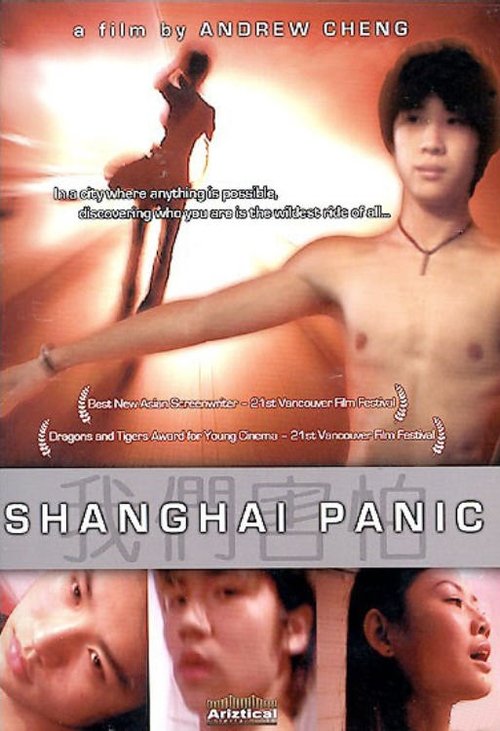
Shanghai was once called the "Paris of the East," but changes come with time and social tumult. Now, amid crumbling buildings, crushing poverty and social decay, filmmaker Andrew Cheng captures a city fallen victim to moral and economic decline. Through a collection of vignettes involving male prostitutes, aging hookers and other sex-trade workers, Cheng reveals the sordid heart of a once glittering metropolis.
1998

1956
2007
1989

1980
2000
2002
1999
No reviews yet. Be the first to share your thoughts on this movie!
Use the rating form above to leave a star rating and optional review.