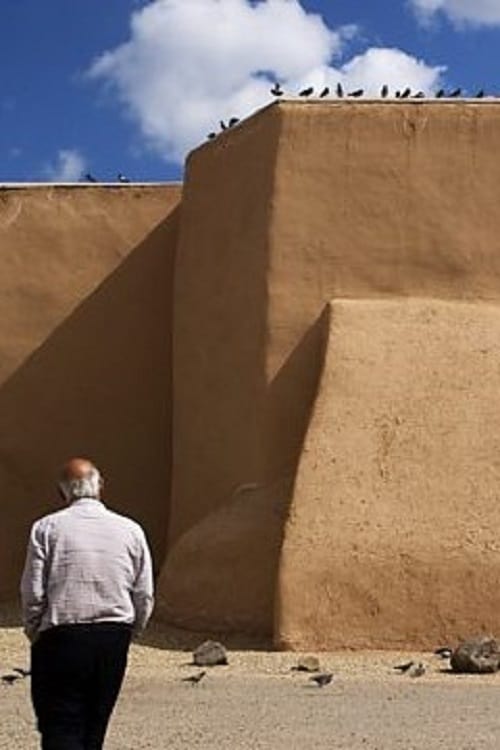
Georgia O'Keeffe: By Myself
2016
No user ratings available yet
Representation score: 5.0 out of 10
Representation Score
Fair
2019
Director
Halina Dyrschka
Runtime
93 minutes
Average Rating
No ratings yetNew Showbiz Analysis
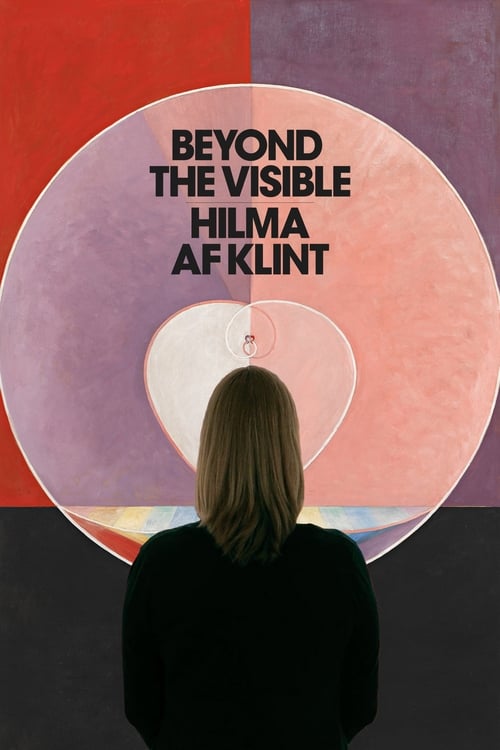
Beyond the Visible - Hilma af Klint is a compelling deconstruction of the Western art canon. It successfully challenges the 'male genius' cliché by placing Hilma af Klint at the forefront of abstract art, thereby dismantling the historical exclusion of women from art history. The film's strength lies in its intellectual disruption, presenting the exclusion of af Klint as a systemic issue rooted in institutional structures rather than individual oversight. However, its specific historical and geographic focus limits its scope, resulting in a lack of racial and explicit LGBTQ+ representation, which confines the narrative to a homogeneous Swedish context.
Category Breakdown
The film hints at unconventional bonds among 'The Five,' suggesting a departure from traditional expectations, but it doesn't explicitly confirm any specific LGBTQ+ identities.
The documentary highlights the unconventional social and spiritual bonds within 'The Five,' emphasizing female independence and intellectual autonomy separate from patriarchal validation.
Given its early 20th-century Swedish setting, the film depicts a largely homogeneous demographic. There is no indication of diverse ethnic representation within the primary subject matter.
The narrative focuses on subjective spirituality and occultism, validating these non-traditional beliefs as legitimate drivers of intellectual and artistic work.
The film does not focus on visible or invisible disabilities as a central narrative element.
Present on Screen
Limited or Absent
Official Synopsis
How can an artist discover abstraction by the beginning of the 20th century and nobody is noticing? A woman, misjudged and concealed, rocks the art world with her mind-blowing oeuvre. Hilma af Klint was a pioneer creating her first abstract painting in 1906, four years before Vassily Kandinsky. But why was she ignored? Why are her paintings not available on the market? This first film on her is about her life and work, the role of women in art history and the discovery of an art scandal. Her quest for meaning in life and a boundless thinking led into a timeless, outstanding oeuvre.
2016

2018
2019

2014
2016

2021
2015
2013
No reviews yet. Be the first to share your thoughts on this movie!
Use the rating form above to leave a star rating and optional review.