
Afterlife of the Party
2021
No user ratings available yet
Representation score: 4.1 out of 10
Representation Score
Limited
2008
PG-13Director
David Koepp
Runtime
102 minutes
Average Rating
No ratings yetNew Showbiz Analysis
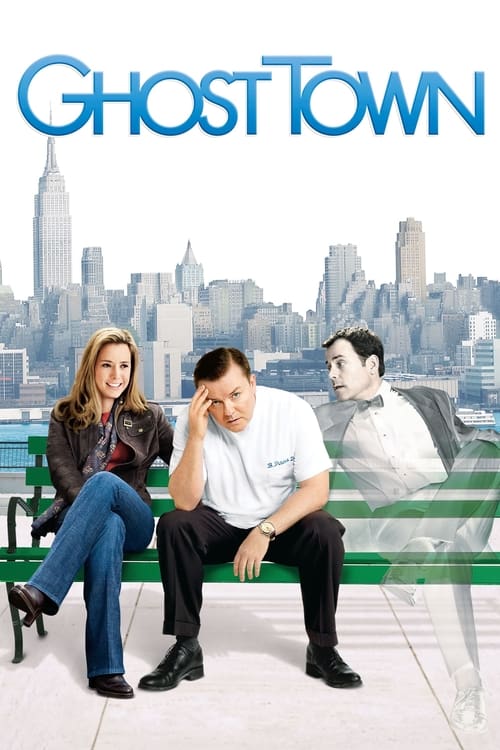
Ghost Town operates within a traditional framework, prioritizing high-concept supernatural comedy over diverse social representation. The narrative relies on established archetypes and a homogeneous setting that lacks racial and queer depth. While the film touches on the decay of small-town life, it does so through a narrow lens. The central conflict is driven by standard romantic clichés and a supernatural gimmick that avoids meaningful engagement with disability or systemic social critique. Ultimately, the film's focus on individual connection and conventional gender roles results in a limited scope of characters who reflect more than one aspect of diversity.
Category Breakdown
The film follows a strictly heterosexual and cisgender structure. The central romantic tension focuses on the protagonist and a female character, offering no perspectives on queer identities or non-binary gender roles.
Gender dynamics remain largely conventional. While the female lead plays a significant role in driving the story, the film does not challenge traditional gender hierarchies or deconstruct established masculine norms.
The desert town setting is populated by a homogeneous white demographic. The narrative lacks characters of color in positions of high ability to act or complexity.
The story offers a mild critique of economic shifts and small-town decay. However, it maintains a traditional moral center rather than deconstructing Western institutions.
The protagonist's ability to see the dead serves as a supernatural plot device. It functions for genre whimsy rather than providing authentic representation of lived disability.
Present on Screen
Limited or Absent
Official Synopsis
Bertram Pincus, a cranky, people-hating Manhattan dentist, develops the unwelcome ability to see dead people. Really annoying dead people. Even worse, they all want something from him, particularly Frank Herlihy, a smooth-talking ghost, who pesters him into a romantic scheme involving his widow Gwen. They are soon entangled in a hilarious predicament between the now and the hereafter!
2021
1991

2005
1993
2007
2010

2008
1991
No reviews yet. Be the first to share your thoughts on this movie!
Use the rating form above to leave a star rating and optional review.