
Asleep
2015
No user ratings available yet
Representation score: 6.2 out of 10
Representation Score
Fair
1996
Director
Kōhei Oguri
Runtime
103 minutes
Average Rating
No ratings yetNew Showbiz Analysis
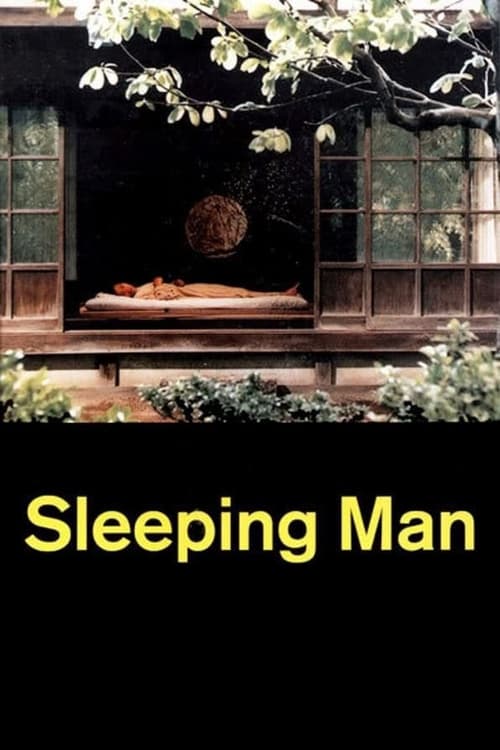
Sleeping Man is a contemplative film that emphasizes observational realism over disrupting social norms. It captures the rhythms of rural Japanese life through a traditional lens, focusing on everyday continuity rather than broader themes of diversity. The film avoids harmful stereotypes but does not actively challenge existing social hierarchies. Its narrative structure is designed to observe the status quo of a specific community rather than deconstruct it. While the central premise involves a character with a physical incapacity, the film treats this condition as a backdrop for community observation rather than a journey of personal empowerment.
Category Breakdown
The film does not include any LGBTQ+ characters or explore non-straight relationships. It stays focused on a small, local community without addressing diverse sexual orientations.
The story follows a traditional family structure, emphasizing the role of mothers and the quiet life of a rural household. It adheres to established gender roles without challenging the hierarchy.
The cast is made up of Japanese actors reflecting the rural setting. The film provides a cultural study specific to this community without exploring multiple ethnicities or diverse backgrounds.
The film maintains a secular perspective and avoids religious or institutional dominance. It focuses on the daily lives of working-class individuals without deconstructing larger societal structures.
A character in a coma introduces themes of physical incapacity. However, this condition is treated as a static situation rather than a source of personal empowerment or ability to act.
Present on Screen
Limited or Absent
Official Synopsis
Ever since an accident in the mountains outside town, Takuji's slept in a coma; his neighbors care for him as new events occur every day.
2015
1970

1999

1995
2005

2004

2018
2007
No reviews yet. Be the first to share your thoughts on this movie!
Use the rating form above to leave a star rating and optional review.