Bavel's Book
1996
No user ratings available yet
Diversity score: 5.4 out of 10
1987
Director
Osamu Tezuka
Runtime
9 minutes
Average Rating
No ratings yetSynopsis
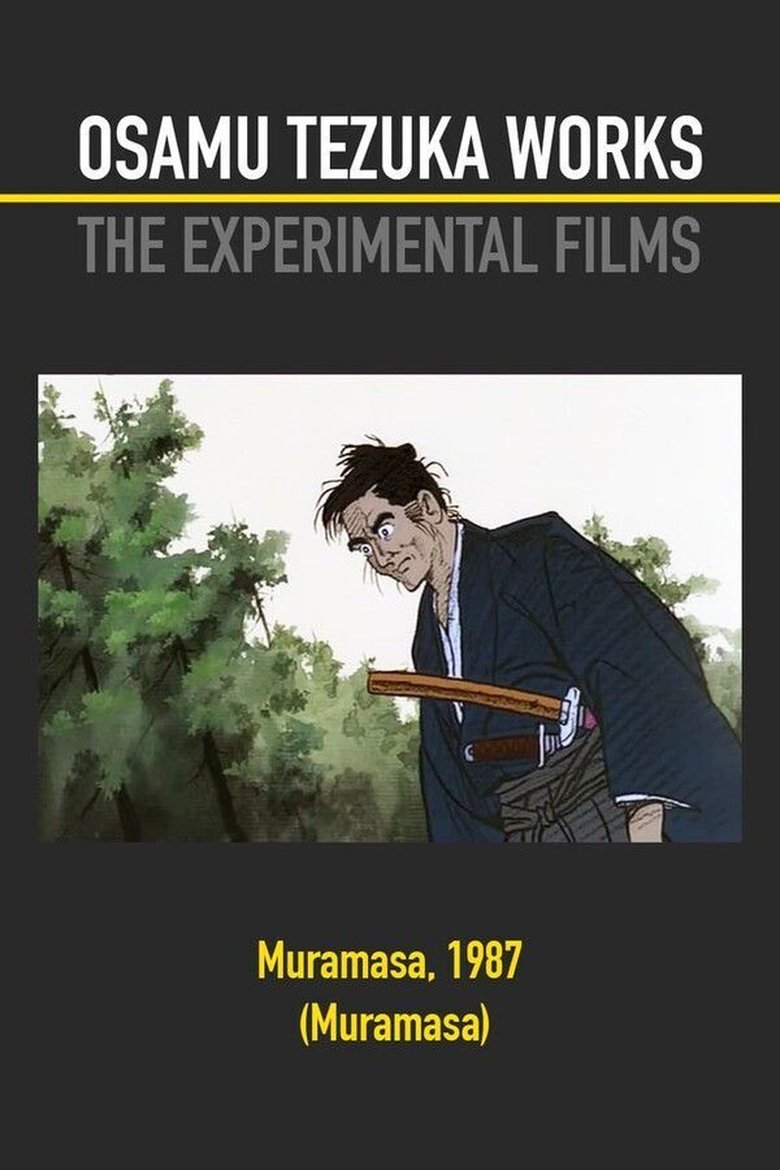
A wandering samurai finds a straw dummy with a magical sword, which makes him overwhelmingly powerful but begins to drive him mad.
Overall Score
Fair
Category Breakdown
LGBTQ+ Representation
The film offers no explicit evidence regarding sexual orientation or gender identity. The narrative remains neutral on these specific identity markers.
Gender Representation
The story centers on a singular male protagonist, a wandering samurai. There is no information regarding female characters or the subversion of gendered hierarchies.
Racial & Ethnic Diversity
As a Japanese production, the film centers a non-Western cultural framework. It prioritizes East Asian historical contexts, disrupting traditional Western-centric cinematic norms.
Religious & Cultural Diversity
The narrative explores subjective morality and the psychological toll of power. It moves away from traditional heroic tropes toward a complex, cautionary exploration of human instability.
Disability Representation
The protagonist's descent into madness touches upon mental health themes. However, it is unclear if this condition is portrayed with agency or merely as a plot device.
Strengths
Areas for Improvement
AI Analysis
Muramasa stands as a culturally distinct psychological horror that departs from Western storytelling conventions. By centering an East Asian historical context, it provides a meaningful alternative to mainstream Hollywood tropes. The film's strength lies in its thematic depth and its focus on the corrupting nature of power. It uses a non-Western framework to explore complex philosophical questions regarding morality and human instability. However, the narrative lacks visibility regarding intersectional identities. There is no clear evidence of LGBTQ+ representation or diverse gender dynamics within the known character archetypes.
1996
1962
1987

1995

1984
1984
1989
1998
2002
2000

1984

1968
No reviews yet. Be the first to share your thoughts on this movie!
Use the rating form above to leave a star rating and optional review.