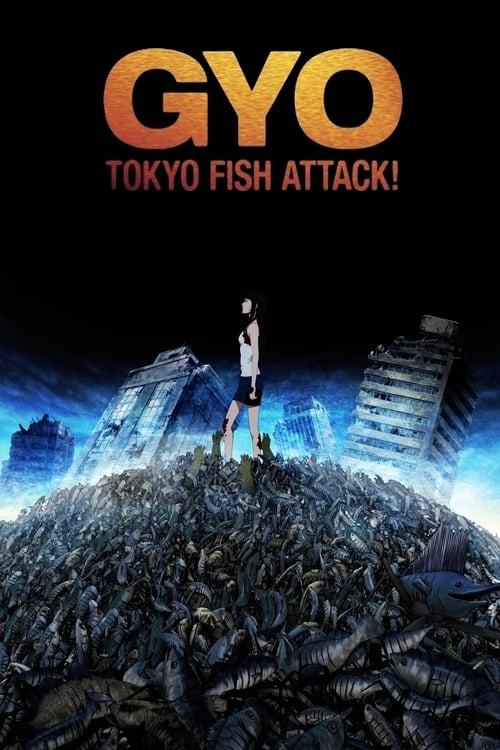
Gyo: Tokyo Fish Attack
2012
No user ratings available yet
Diversity score: 4.8 out of 10
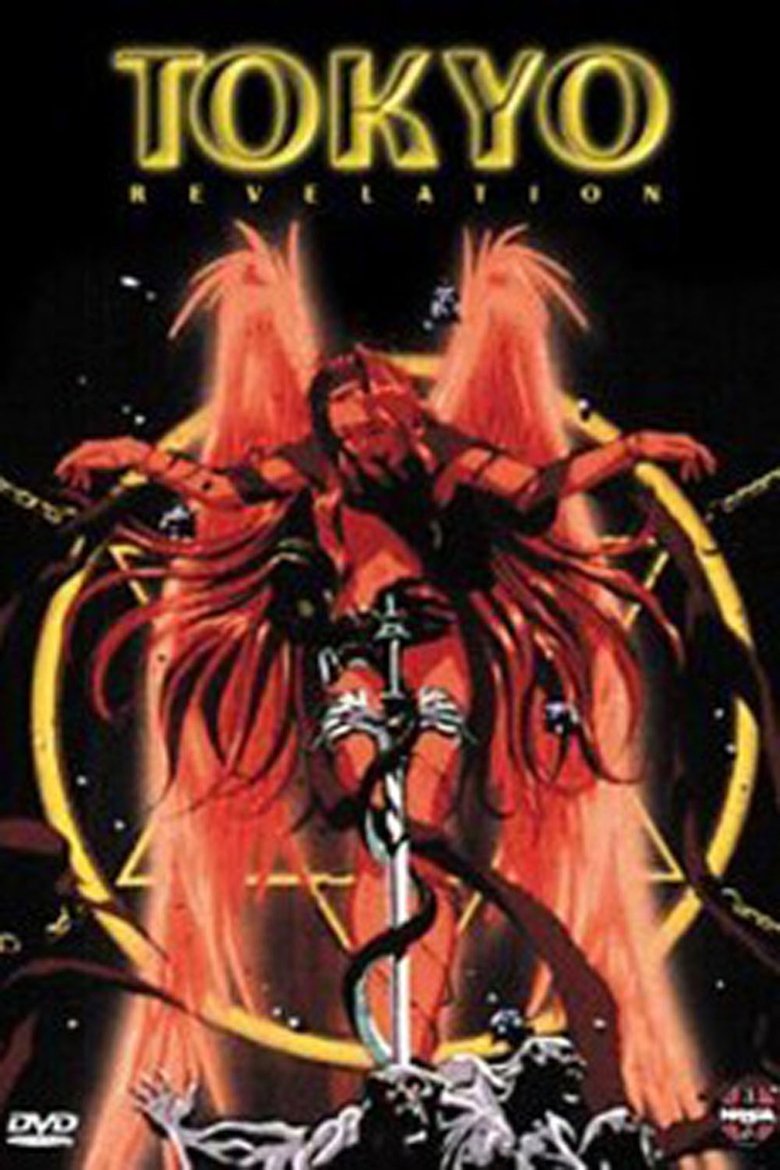
1995
Not RatedDirector
Osamu Yamasaki
Runtime
58 minutes
Average Rating
No ratings yetSynopsis
Akito Kobayashi has always had an interest in the occult, and when he learns to control demons though the help of a computer program he created and magnetite, the essence of human life, he plans to unleash hell on earth. The only hinderance may lie within his old friend Kojiro Soma, who has the ability to stop the destruction, if he can find it within himself to do so.
Overall Score
Fair
Category Breakdown
LGBTQ+ Representation
The film lacks explicit mention of LGBTQ+ characters or non-cisnormative identities. The narrative focuses on a traditional conflict between two male protagonists.
Gender Representation
The story centers on a binary conflict between male characters, Akito and Kojiro. There is no evidence of female agency or the subversion of gender hierarchies.
Racial & Ethnic Diversity
Set in Tokyo, the film establishes a specific cultural context. However, the cast lacks explicit evidence of multi-ethnic or diverse racial representation.
Religious & Cultural Diversity
The use of technology to manipulate the occult suggests a critique of modern societal structures. The plot explores the breakdown of order and traditional morality.
Disability Representation
There is no information regarding the depiction of physical, neurodivergent, or mental health conditions in this work.
Strengths
Areas for Improvement
AI Analysis
Tokyo Revelation operates through a traditional masculine lens, centering its conflict on the power struggle between two male leads. The narrative relies on conventional tropes of occultism and male-driven destruction rather than intersectional perspectives. While the film offers potential for cultural critique by using technology to disrupt societal stability, it fails to provide visible representation for women or queer identities. The focus remains strictly on a binary, male-centric struggle. Ultimately, the work functions as a genre-driven horror piece that prioritizes supernatural chaos over diverse character perspectives, resulting in a conventional and limited social scope.
2012
1990
2008

1991

2012
1990

1987
2019

2005
2004
1987
1987
No reviews yet. Be the first to share your thoughts on this movie!
Use the rating form above to leave a star rating and optional review.