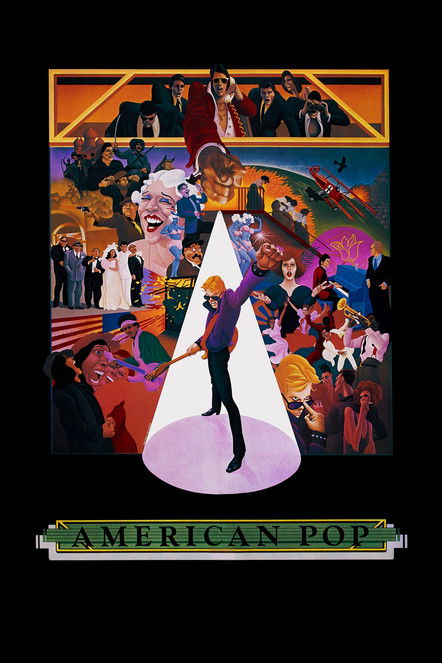
Heavy Traffic
1973
No user ratings available yet
Diversity score: 6.9 out of 10
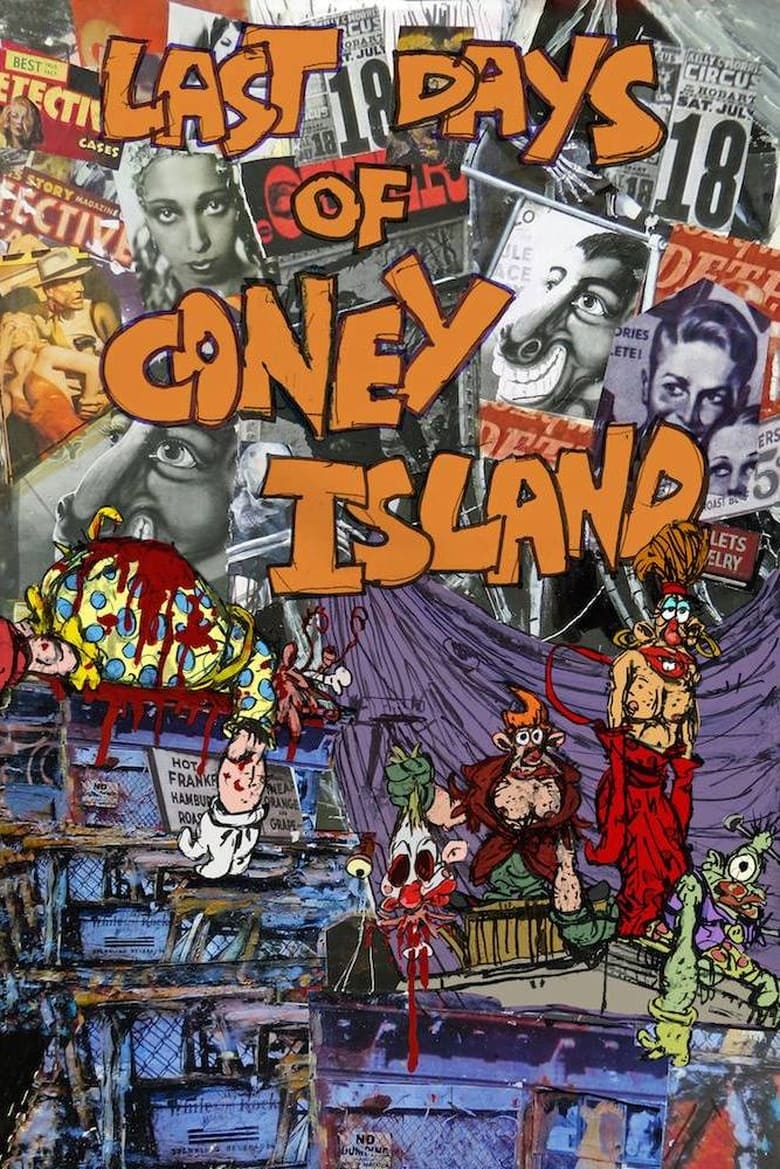
2015
TV-MADirector
Ralph Bakshi
Runtime
22 minutes
Average Rating
No ratings yetSynopsis
In the cheap glitter and glow of a fading Coney Island, a group of characters live out their sordid, strange lives trying to get somewhere fast - any way they can. Desperately trying to love and be loved. These cops, call girls, mafia hoods, transvestites, fortune-tellers, clowns, and freaks are all intertwined, heading on a crazy rollercoaster ride into a black hole they think is life. All of these characters are totally removed from the 1960s America that, at the same time, is violently changing its values, fast. It is how hard they try, with the deck stacked against them, that we root for them in amazement.
Overall Score
Good
Category Breakdown
LGBTQ+ Representation
The film centers gender-nonconforming individuals and transvestites within its core ensemble. Rather than using these identities as peripheral caricatures, the narrative integrates them into the primary social fabric. This approach challenges heteronormative structures through central characterization.
Gender Representation
Traditional gender hierarchies are disrupted by focusing on a fragmented ecosystem lacking nuclear family stability. Women, including call girls, are presented as active participants in a decaying landscape. This subverts domestic femininity in favor of desperate, urban survival.
Racial & Ethnic Diversity
Bakshi’s surrealist animation style often obscures specific racial markers through abstraction. While the Coney Island setting implies a multicultural population, characters are defined more by socioeconomic status than ethnic agency. This prevents a more distinct portrayal of race.
Religious & Cultural Diversity
The film critiques the American Dream by portraying Western pillars like capitalism and social order as decaying. It prioritizes the lived experiences of the disenfranchised over institutionalized morality. The setting serves as a metaphor for failing mid-century values.
Disability Representation
Characters are depicted through a lens of grotesque physicality, suggesting neurodivergence or physical non-conformity. While it avoids 'inspiration porn,' the reliance on exaggerated, freakish features risks aestheticizing deformity rather than providing nuanced representation.
Strengths
Areas for Improvement
AI Analysis
Ralph Bakshi utilizes a grotesque, non-traditional aesthetic to explore the fringes of society. By centering a cast of marginalized individuals—including cops, call girls, and transvestites—the film creates a space where identity and survival supersede mainstream social hierarchies. The narrative succeeds in its postmodern deconstruction of Western institutions, using the decay of Coney Island to critique traditional prosperity. It avoids sanitized depictions, opting instead for a complex look at those living on the periphery of 1960s America. However, the highly stylized animation creates ambiguity. The abstraction often obscures specific racial markers and romantic nuances, while the focus on 'freakish' physicality risks blurring the line between genuine representation and the mere aestheticization of deformity.
No reviews yet. Be the first to share your thoughts on this movie!
Use the rating form above to leave a star rating and optional review.