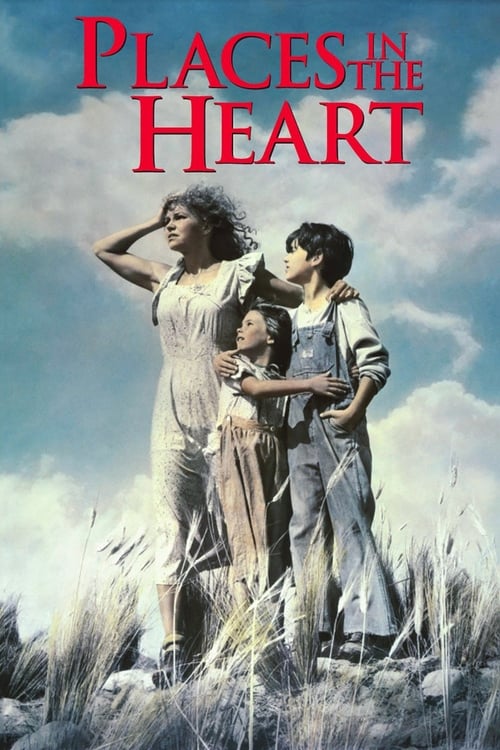
Places in the Heart
1984
No user ratings available yet
Representation score: 6.8 out of 10
Representation Score
Fair
1992
PG-13Director
Gary Sinise
Runtime
111 minutes
Average Rating
No ratings yetNew Showbiz Analysis
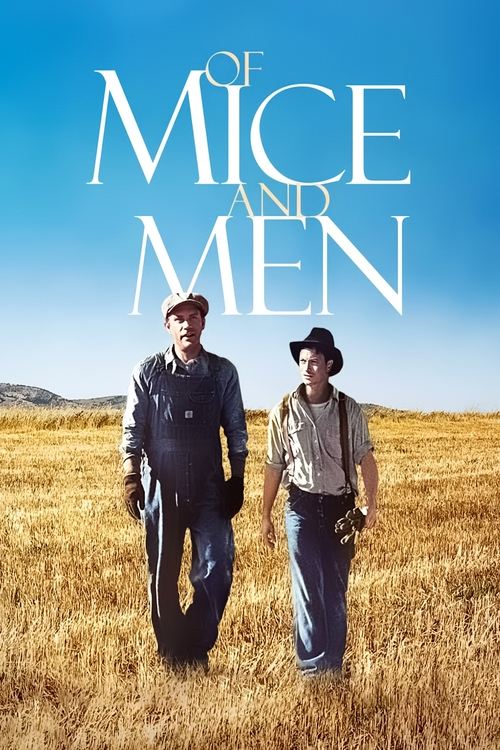
Gary Sinise’s adaptation offers a gritty, realistic critique of systemic failures. It succeeds by highlighting the experiences of underrepresented groups, particularly through the lens of racial segregation and intellectual disability. The film avoids exploitative clichés, instead using these identities to highlight the harshness of the era. However, the film is limited by its adherence to the social norms of the 1930s. It lacks any LGBTQ+ representation and offers very little female empowerment, portraying women primarily through the lens of confinement and isolation. Ultimately, the film's strength lies in its socio-economic commentary. It disrupts the traditional American saga by focusing on the fragile bonds of displaced men and the failure of institutional support.
Category Breakdown
The film does not include any LGBTQ+ characters or non-straight identities. The 1930s ranch setting is shown through a strictly straight-focused lens without any queer undertones.
A strict patriarchal system governs the narrative. While Curley’s wife is a central figure, her ability to influence events is limited by the era's social structures and a male-dominated work environment.
The character of Crooks provides meaningful representation of racial segregation. His experience shows how identity shapes social opportunities in a hostile, predominantly white environment.
The film critiques the American Dream and the exploitative economy of migrants. It explores moral ambiguity and the systemic barriers to upward mobility during the Great Depression.
Lennie’s intellectual disability drives the narrative tragedy without relying on mockery. The story highlights the lack of societal support and understanding for neurodivergent individuals.
Present on Screen
Limited or Absent
Official Synopsis
Two drifters, one a gentle but slow giant, try to make money working the fields during the Depression so they can fulfill their dreams.
1984
1939

1940

1978

1969

1973

1969
1982
No reviews yet. Be the first to share your thoughts on this movie!
Use the rating form above to leave a star rating and optional review.